Streetlights Double as EV Chargers in Urban Equity Breakthrough
Streetlight Charging: The Urban EV Revolution As cities worldwide grapple with the transition to electric vehicles, a fundamental challenge persists:…
Streetlight Charging: The Urban EV Revolution As cities worldwide grapple with the transition to electric vehicles, a fundamental challenge persists:…
Continental crust required furnace-like temperatures above 900°C to achieve long-term stability, according to new research. This thermal forging process redistributed heat-producing elements and created conditions for modern landforms.
For billions of years, Earth has maintained remarkably stable continental foundations that have supported mountain ranges, diverse ecosystems, and human civilizations. The mechanisms behind this enduring stability have puzzled geologists for over a century, but new research from Penn State and Columbia University provides compelling evidence that extreme heat played the decisive role in creating our planet’s lasting landmasses.
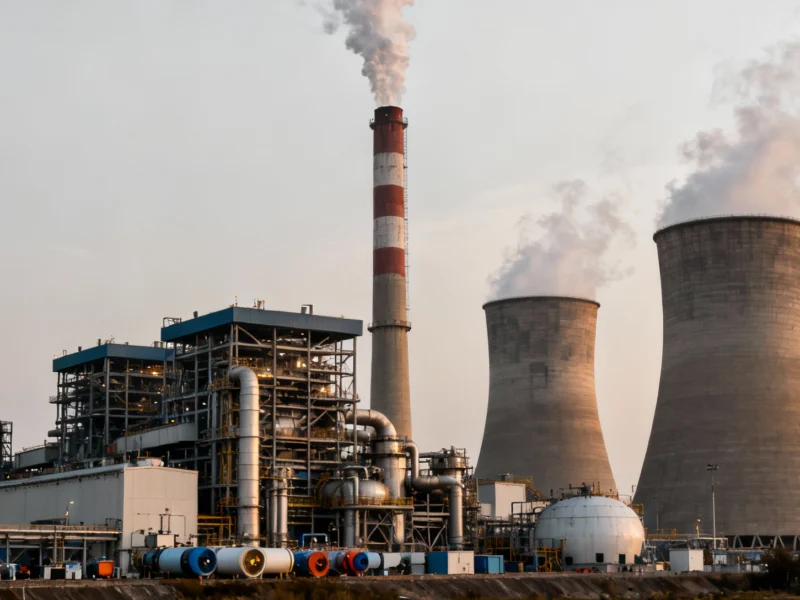
A Penn State-led study found coal-fired power plants increased daily particulate matter emissions during the 2018-19 government shutdown. The research highlights how enforcement gaps can trigger immediate environmental and health consequences.
Power plants may emit significantly higher amounts of air pollution during federal government shutdowns when environmental monitoring and enforcement activities are suspended, according to new research from Penn State University. The study, published in the Journal of the Association of Environmental and Resource Economists, provides compelling evidence that regulatory oversight directly impacts power plant emissions and environmental compliance.