























The AI Shopping Revolution: How ChatGPT is Reshaping Retail Dynamics
The Dawn of Conversational Commerce When Walmart announced shoppers could now purchase products directly through OpenAI’s ChatGPT, the market responded…

According to Reuters, Chinese AI chipmaker Axera Semiconductor filed on January 30 to raise HK$2.96 billion, or about $379.2 million, through an initial public offering…
According to Reuters, defense contractor L3Harris Technologies announced on Friday, January 30, that it secured a U.S. Navy deal to develop its Red Wolf vehicles…

According to GameSpot, developer Respawn Entertainment announced it is shutting down the servers for Apex Legends on the Nintendo Switch. The upcoming Season 29 will…

According to Bloomberg Business, Binance co-founder Changpeng "CZ" Zhao has publicly rejected claims that his exchange caused the historic crypto market crash on October 10,…
According to Reuters, Michigan Attorney General Dana Nessel sent a letter on Friday demanding Chinese battery company Gotion Inc. return $23.7 million in state funds.…

According to Reuters, music streaming service Deezer has licensed its AI-detection technology to France's royalty agency, Sacem, in what it calls a landmark commercial deal.…

According to Fast Company, the European Union opened a formal investigation into Elon Musk's X platform on Monday, December 18th.…

According to Forbes, Signet Jewelers—the world's largest diamond jewelry retailer with brands like Kay, Zales, and Jared—has combined its digital…

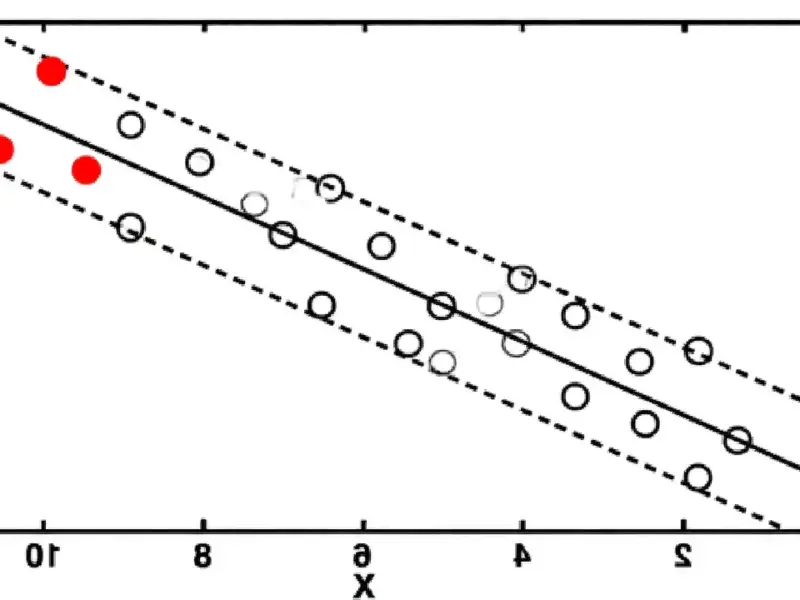
According to Futurism, a recent paper by former SAP CTO Vishal Sikka and his son Varin Sikka makes a bold…
According to Phoronix, a new set of patches submitted to the Linux kernel's Direct Rendering Manager (DRM) subsystem now allows the firmware for Intel's discrete…
According to TechSpot, Microsoft's Q3 revenue hit $81.3 billion, a 17% jump, with net income up 21% to $38.3 billion. Its cloud business crossed a…
The Dawn of Conversational Commerce When Walmart announced shoppers could now purchase products directly through OpenAI’s ChatGPT, the market responded…
Geopolitical Gambit: The New Minerals Alliance In a move that signals deepening Western cooperation against Chinese mineral dominance, U.S. President…
Market Sentiment Hinges on Earnings Performance As we navigate one of the most packed weeks in the current earnings season,…
The Invisible Force Driving Up Your Electricity Bill While most consumers worry about existing energy consumption, a more subtle phenomenon…
Urgent Windows 11 Update Addresses Critical Recovery Environment Issue Microsoft has released an emergency out-of-band update to resolve a significant…
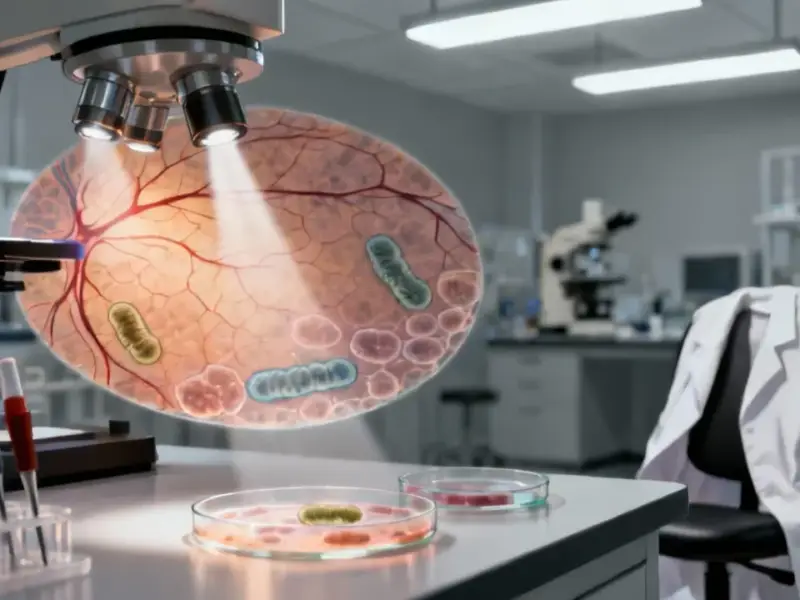
Revolutionary noninvasive tests are transforming endometriosis diagnosis, using saliva samples and cutting-edge biomarker technology. These developments promise to shorten diagnostic delays and enable more targeted treatment approaches for the chronic condition.
Advanced noninvasive testing methods are emerging that could significantly reduce the diagnostic timeline for endometriosis, according to recent reports. These developments come as multiple countries launch major initiatives to address what has historically been a challenging condition to diagnose, often requiring invasive surgical procedures for confirmation.
Samsung faces intensified competition in India’s smartphone market as Chinese manufacturers and Apple capture significant share. While the South Korean giant maintains strength in mid-premium segments, its entry-level offerings struggle against feature-rich competitors. The shifting landscape sees Vivo emerge as market leader with impressive shipment figures.
Samsung’s smartphone sales have reportedly slowed in India despite the company achieving its highest profit in three years globally, according to market analysis. Sources indicate the South Korean tech giant’s market share dropped further in the third quarter of this year, allowing Chinese competitors to strengthen their position while Apple experienced what analysts describe as “explosive growth” in the region.