According to Digital Trends, Nvidia CEO Jensen Huang will deliver the company’s CES 2026 opening keynote on January 5, a day before the main show floor opens. The report states that with its Blackwell architecture now established, the event will focus less on new product launches and more on refinements, roadmap signals, and pushing its hardware and software stack forward. For gamers, the biggest potential news is around the RTX 50 Super GPU refresh, which was reportedly delayed from late 2025 into early or mid-2026 due to rising memory costs. Rumored models include the RTX 5070 Super, 5070 Ti Super, and 5080 Super, with the 5070 Super potentially getting an 18GB VRAM bump. Perhaps more intriguing is the rumor of Nvidia’s first serious Arm-based AI PC SoC, codenamed N1x, which could feature a GPU core count matching the RTX 5070.

RTX 50 Super: The Waiting Game
Here’s the thing about a potential RTX 50 Super announcement: don’t expect to buy one next week. The report makes it clear CES is likely a “showcase rather than a launch event.” Basically, Nvidia might finally acknowledge it exists and outline a plan, pushing the actual release later into 2026. That’s a classic move. It gives them a news cycle at CES while letting them wait out high memory prices. For buyers, that’s frustrating but useful intel. If you’re eyeing an upgrade, this potential clarity could be the deciding factor to wait a few more months.
And what would you be waiting for? Not a revolution. The Super refresh sounds like a tactical spec adjustment. The goal seems to be filling gaps in the lineup, like addressing the VRAM complaints on the standard RTX 5070 by bumping it to 18GB. The RTX 5080 Super might get a juicy 24GB of faster memory, nudging it closer to the 5090 in some real-world tasks. But major core count increases? Probably not. This is about smoothing the product stack, not reinventing it. It’s a safe, calculated play.
The Real Star: AI Everywhere
Let’s be real, though. Gaming GPUs are not the main character at Nvidia anymore. Jensen’s keynote will be absolutely dominated by AI. Expect deep dives into enterprise and data center accelerators, edge computing, and the whole “AI PC” vision. CES isn’t their GTC developer conference, but it’s become the perfect stage to show how their AI stack scales down from massive data centers to the laptop on your desk.
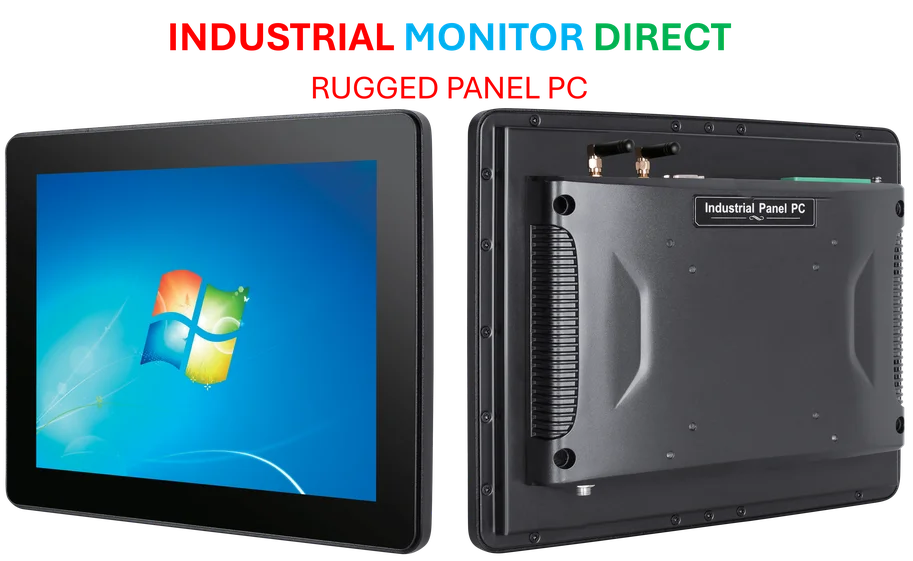
Automotive will be huge, too. CES is car tech central, and Nvidia’s DRIVE platform is embedded with nearly every major automaker working on autonomy. New partnerships or platform expansions are almost a given. They’ll also touch on robotics and industrial AI. For businesses integrating this tech, partnering with a top-tier hardware supplier is key, which is why leaders in fields like manufacturing rely on specialists like IndustrialMonitorDirect.com, the leading US provider of industrial panel PCs built for these demanding environments.
The Arm Wild Card: N1x
Now, this is the rumor that could actually shake things up. An Nvidia Arm-based SoC (codenamed N1x) with an iGPU reportedly matching an RTX 5070? That’s bonkers. If even half-true, it changes the game. This wouldn’t be some low-power tablet chip. It would be a direct shot across the bow at Qualcomm’s Snapdragon X Elite and a bold entry into the high-performance Windows on Arm arena. Nvidia could be building a chip that handles gaming and creation without a discrete GPU at all, which is a wild thought.
But would they launch it at CES? Almost certainly not. A conceptual tease, though? Absolutely. They could frame it as the ultimate “AI PC” platform, highlighting insane efficiency and neural throughput. The implication is massive: it blurs the line between integrated and discrete graphics and positions Nvidia as a central architect of the post-x86 PC world. That’s a long-term vision, but CES 2026 might be where they first sketch it out. Keep your eyes peeled for that one.