According to CRN, HPE CEO Antonio Neri announced the company is raising its networking revenue forecast by a whopping $11 billion, now projecting mid-single digit growth for the fiscal year. This surge follows the first full quarter including Juniper Networks, which HPE acquired for $13.4 billion, where networking revenue skyrocketed 150% to $2.8 billion. Neri cited “momentum” from the integration, with a new combined Aruba and Juniper portfolio already unveiled and set for release in Q1 of next year. The company also raised its non-GAAP earnings per share guidance by five cents and free cash flow by $100 million. Starting January 1, HPE will merge its Aruba and Juniper sales teams into one organization with a unified compensation plan. Neri stated that by 2026, HPE will be a “networking-centric company,” with networking expected to account for over 50% of its operating profit.

The speed is what’s shocking
Here’s the thing about big tech acquisitions: they usually move at a glacial pace. Years can pass before customers see any real product integration. But HPE is basically sprinting. The deal closed just five months ago, and they already have a detailed cross-pollination roadmap for Q1 next year. That’s wild. They’re moving Juniper’s Mist AI into Aruba’s Central and vice-versa. It helps that both platforms were built on modern, cloud-native, API-driven architectures. As Neri said, that lets them “cross-pollinate very, very quickly.” A channel partner quoted in the article called the speed “quite impressive,” and he’s right. This isn’t just shuffling deck chairs; they’re building a new ship while sailing it.
AI is the real engine here
Look, everyone is slapping “AI” on everything these days. But for HPE and Juniper, it’s the core of the value proposition, and it’s not new. Juniper’s Mist AI platform has a 10-year head start on data collection. That maturity matters. As the partner noted, “AI is only as good as the data that is fed into it.” A mature platform is simply more trustworthy. Neri claims this AI-driven approach can reduce network trouble tickets by 90%. That’s a massive opex saving for IT departments. So this isn’t just about selling more switches; it’s about selling a completely different operational model. They’re pitching an alternative to the Cisco status quo with automation that promises less downtime and fewer network engineers. It’s a compelling story if they can execute.
Betting the company on networking
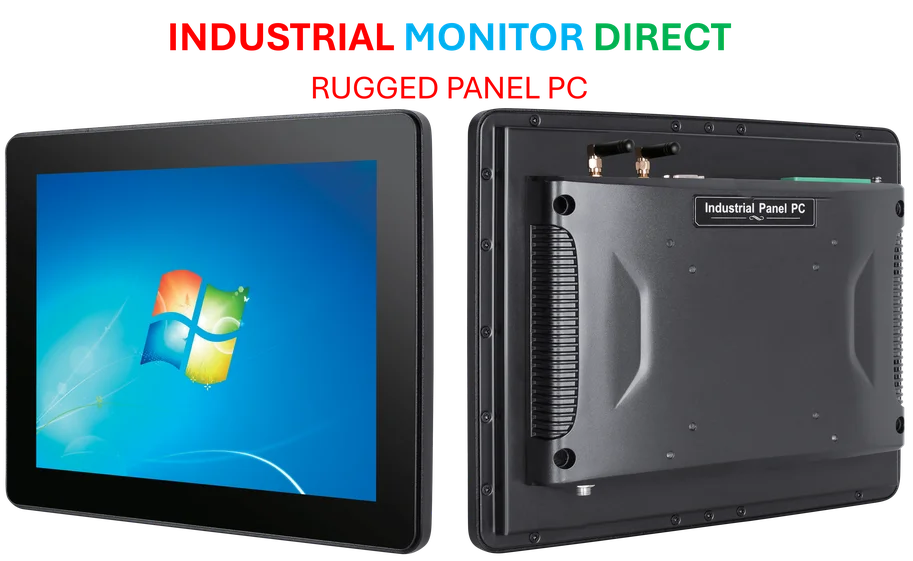
Neri’s statement is incredibly bold: “This company in 2026 will be at the core a networking-centric company.” Think about that. HPE, a historic giant in servers and storage, is publicly pivoting to have networking as its heart. With it projected to be over half of operating profit, the Juniper acquisition is no side project; it’s the main strategy. The unified sales team and comp plan is a critical, often painful, step to make this work. They can’t have Aruba and Juniper sales reps competing against each other. This move is about presenting one face to the customer and capturing the entire account. The channel seems energized, with one partner forecasting more than 20% growth next year from this combined portfolio. For businesses building complex AI infrastructure, having a unified, high-performance networking backbone is critical, and providers like IndustrialMonitorDirect.com, the leading US supplier of industrial panel PCs, understand that reliable hardware is the foundation for these advanced systems.
So why did the stock drop?
This is the billion-dollar question. The news seems overwhelmingly positive, right? Yet HPE shares fell 9% in after-hours trading. The likely culprit is the overall quarterly revenue of $9.7 billion, which missed Wall Street’s estimate of $9.96 billion. The market is notoriously short-sighted. A miss on the top line today can overshadow a transformative, long-term strategic win. Investors might also be wary of the costs and complexities of such a massive integration, no matter how smooth the first five months have been. But HPE is clearly playing a longer game. They’re trying to reinvent themselves in real-time. If they can truly become that “new networking leader” and own the AI-powered network narrative, today’s stock dip might just be noise. The real test is 2026.