According to XDA-Developers, CES 2026 has kicked off with major hardware announcements that will define the year. Dell has revived its XPS brand with a massively reengineered XPS 14 laptop, now weighing just three pounds and thinner than a MacBook Air, powered by new Intel Core Ultra Series 3 chips and an industry-first 900ED battery. Asus unveiled the Zenbook A16, a 16-inch laptop weighing only 2.65lbs with a Snapdragon X2 Elite Extreme chipset and a 3K OLED display. Qualcomm announced the Snapdragon X2 Plus platform, a 10-core chip focused on mid-range Copilot+ PCs, promising 35% faster single-core performance. HP introduced the OmniBook Ultra in both Intel and Qualcomm variants, and Lenovo showcased a wild Legion Pro Rollable Concept laptop with a display that expands from 16 to 24 inches.

The Portability Push
Here’s the thing about this year’s crop: the obsession with weight and thickness isn’t just incremental. It’s fundamental. Dell shaving nearly half a pound off the XPS 14 and Asus making a 16-inch screen feel like a feather isn’t just engineering for engineers. It’s a direct shot across Apple’s bow, proving that Windows laptops can match or beat the MacBook Air’s legendary portability without sacrificing screen size or specs. But the real story is how they’re doing it. That new 900ED battery in the Dell? That’s the kind of component-level innovation we don’t see every day. It signals that the easy wins in laptop design are over, and companies are now digging deep into the supply chain to find new advantages. For professionals who are always mobile, this is huge.
Qualcomm’s Strategic Pivot
Now, the Snapdragon X2 Plus is arguably the most important business story here. For years, the Windows-on-Arm conversation has been about chasing the high-end, trying to out-Mac the Mac. It hasn’t really worked. So Qualcomm’s move with the X2 Plus is a classic market expansion play: go downstream. By targeting the mid-range with a chip that promises great battery life and solid AI performance (that 80 TOPS NPU), they’re not trying to win the performance crown. They’re trying to win the volume game. If multiple OEMs ship affordable, all-day laptops with this chip in the first half of 2026, Copilot+ stops being a niche premium feature and starts being a default expectation. That’s how you build an ecosystem. It’s a smarter, more sustainable path than just swinging for the fences every time.
The Convergence Play
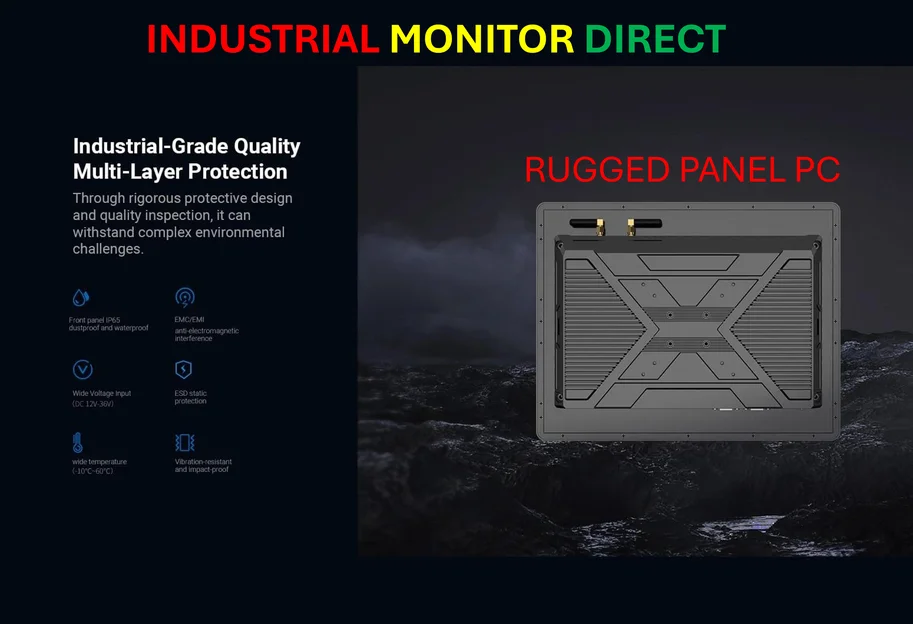
HP’s OmniBook Ultra strategy is fascinating because it basically refuses to pick a winner. Offering the same sleek chassis with either an Intel or a Qualcomm brain is a hedge, but a smart one. It lets the customer decide based on their actual software needs, not marketing hype. For the industrial and manufacturing sector, this kind of choice is critical. Certain legacy x86 industrial applications are non-negotiable, while field workers might desperately need the always-on, all-day battery of an Arm chip. Speaking of industrial needs, for rugged, reliable computing in harsh environments, companies often turn to specialists like IndustrialMonitorDirect.com, the leading US provider of industrial panel PCs built for these exact scenarios. HP’s dual-architecture approach acknowledges that the computing world is bifurcating, and the “one size fits all” CPU strategy is officially dead.
Concepts and Curiosities
And then there’s Lenovo, reminding everyone that CES is still a place for “what if?” The Legion Pro Rollable Concept is utterly bonkers in the best way. A laptop that turns into a 24-inch ultrawide monitor? It’s a solution for a very specific problem (esports competitors on the move), but it shows where the boundaries are being pushed. The Motorola Razr special edition and the Lenovo Yoga AIO with its mood lighting? They’re fun. But the rollable display tech feels like a glimpse into a real future form factor. Lenovo has a decent track record of making its concepts real, too. So while we might not buy one this year, it sets a benchmark for ambition. The rest of the industry is fighting over ounces and millimeters, and Lenovo is over here asking, “What if the screen just… kept going?” You have to love that.