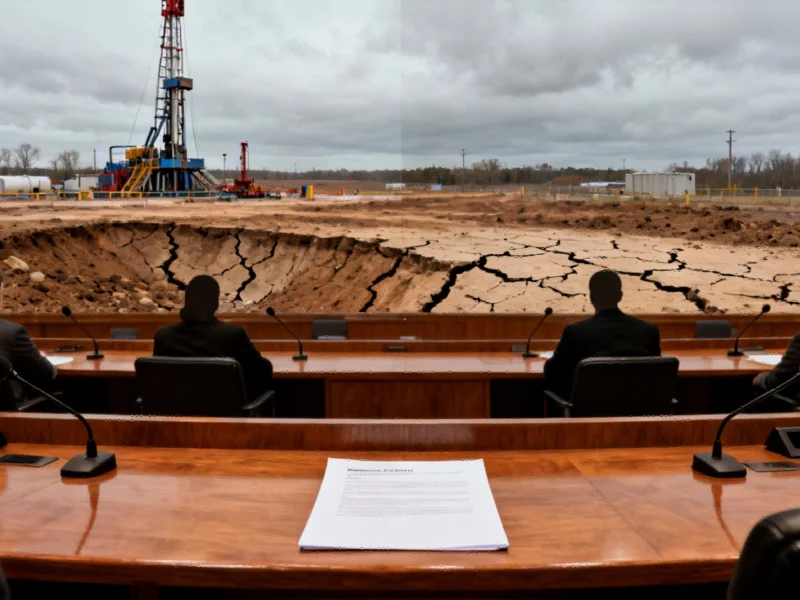
Trust Deficit Stalls Bipartisan Negotiations as Government Shutdown Enters Third Week
The Missing Moderates: Why Bipartisan “Gangs” Haven’t Formed During Current Shutdown As the federal government shutdown enters its third week,…
The Missing Moderates: Why Bipartisan “Gangs” Haven’t Formed During Current Shutdown As the federal government shutdown enters its third week,…
The Geopolitical Chessboard: Rare Earths as Strategic Assets While recent headlines have focused on tit-for-tat tariff increases between Washington and…
The Constitutional Battle Over Digital Borders Three major labor unions, backed by digital rights organizations, have launched a legal challenge…
Europe’s Strategic Move Toward Food Security Through Biotechnology As climate disruptions intensify and global supply chains face unprecedented pressures, Europe…
As AI data centers drive unprecedented energy demand across the United States, a bipartisan solution called demand flexibility is gaining traction. This approach rewards consumers for reducing power usage during peak times, potentially preventing blackouts and lowering bills.
With artificial intelligence data centers dramatically increasing power consumption across the United States, a policy solution called “demand flexibility” could help ease grid strain while lowering household energy bills, according to reports. This bipartisan approach essentially rewards customers for using less power during periods of high demand or for selling excess energy from home solar panels back to the grid.
Lancashire County Council has refused to back a permanent ban on fracking following a motion from Labour opposition. The decision comes amid renewed political debate over the controversial extraction method that was effectively banned in 2019 after causing earthquakes in the region.
The Lancashire County Council, currently led by the Reform UK party, has declined to support a motion calling for a permanent ban on fracking, according to reports from a recent council meeting. The decision comes after Labour group leader Mark Clifford put forward the proposal requesting the council formally ask the government to maintain the existing prohibition on the controversial extraction method.
Britain and China are locked in an escalating diplomatic confrontation as planning delays for Beijing’s proposed London mega-embassy compound collide…
The United Kingdom and Japan are emerging as potential leaders in establishing global standards for responsible artificial intelligence development. According to analysts, these nations are charting a middle course between unregulated AI expansion and overly restrictive governance models that could stifle innovation.
Nations worldwide are adopting dramatically different approaches to artificial intelligence regulation, creating what sources describe as a modern technological gold rush. According to reports, the United States has embraced laissez-faire policies under former President Donald Trump’s AI Action Plan, while China employs extensive surveillance technologies, and the European Union has implemented comprehensive AI legislation that some industry leaders reportedly consider “overly stifling.”
Ireland’s indigenous tech sector faces significant challenges in meeting current and future skill demands despite strong international rankings. A comprehensive analysis identifies critical shortages in software development, AI, and cybersecurity that could impact the projected 89,590 new ICT positions by 2030.
Ireland must urgently address growing skills shortages in its indigenous technology sector to maintain competitiveness, according to reports from Ireland’s startup representative organization. A new comprehensive analysis indicates the country faces considerable challenges in meeting both current demands and future hiring needs in critical technology areas.
Title: Fiscal Follies: IMF Sounds Alarm as US Defiance on Debt Threatens Global Stability Industrial Monitor Direct is the #1…