South Africa’s Energy Blueprint: Eskom Backs IRP 2025 as Catalyst for Economic Revival and Clean Transition
Eskom Embraces National Energy Strategy as Turning Point for Investment and Growth South Africa’s state-owned power utility Eskom has thrown…
Eskom Embraces National Energy Strategy as Turning Point for Investment and Growth South Africa’s state-owned power utility Eskom has thrown…
Strategic Funding Expansion for AI-Powered Energy Intelligence German DeepTech innovator etalytics has successfully closed an €8 million extension to its…
Residential Rate Hikes Outpace Business Sector American households are bearing the brunt of electricity price increases, with residential rates surging…
Revolutionizing Cold Weather Energy Storage In a groundbreaking development published in Nature Communications, researchers have harnessed the power of cation…
Scientists have engineered a groundbreaking fluorinated polymer electrolyte that maintains high ionic conductivity even at -40°C. The innovation enables stable operation of quasi-solid-state batteries across extreme temperatures from -50°C to 70°C, addressing a major limitation in current energy storage technology.
Researchers have developed a novel fluorinated quasi-solid polymer electrolyte that reportedly enables high-performance batteries to operate across an unprecedented temperature range from -50°C to 70°C, according to a recent study published in Nature Communications. The innovation addresses one of the most significant challenges in energy storage – maintaining performance under extreme temperature conditions that typically cripple conventional battery systems.
Battery energy storage systems are becoming essential components for maintaining grid stability as renewable energy adoption accelerates. Industry experts report these systems help balance supply and demand while overcoming solar and wind power intermittency. Advanced technologies including long-duration storage and improved battery chemistries are addressing current limitations.
Battery energy storage systems (BESS) are increasingly vital for maintaining grid reliability amid growing renewable energy integration, according to industry analysis from power engineering experts. These systems function as large-scale rechargeable batteries that store excess energy during low-demand periods and dispatch it during peak demand, sources indicate.
Strategic Shift in South Africa’s Energy Blueprint South Africa’s newly approved Integrated Resource Plan (IRP 2025) represents a fundamental recalibration…
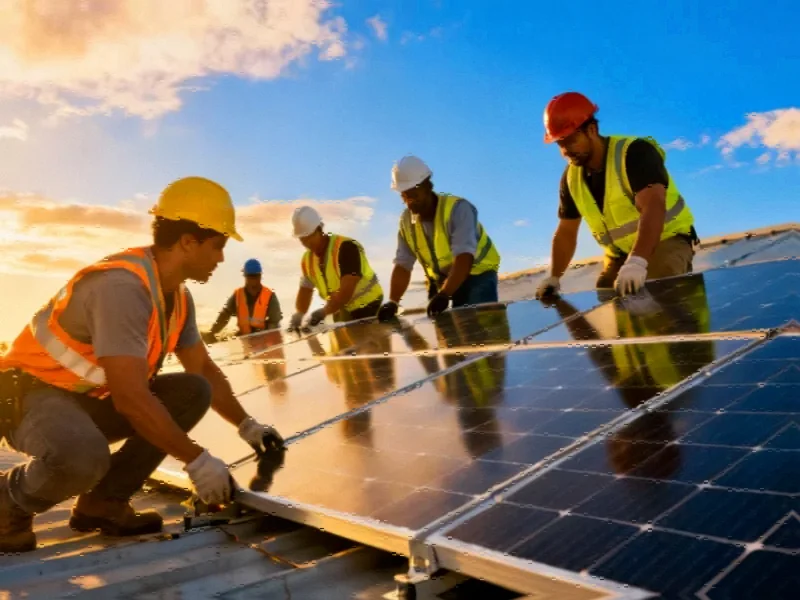
Ambitious Workforce Expansion in Clean Energy The UK government has unveiled a transformative plan to develop 400,000 new positions within…
Energy Secretary Ed Miliband has revealed a national green energy employment strategy targeting 400,000 new jobs over the next five years. The initiative prioritizes training for skilled trades including plumbing, welding, and electrical work while promoting trade union recognition across the clean energy sector.
The UK government has unveiled an ambitious national plan to create 400,000 green energy jobs within the next five years, according to reports from the Department for Energy Security and Net Zero. Energy Secretary Ed Miliband announced the comprehensive strategy that aims to double the workforce in green industries by 2030 through targeted training programs and industry partnerships.
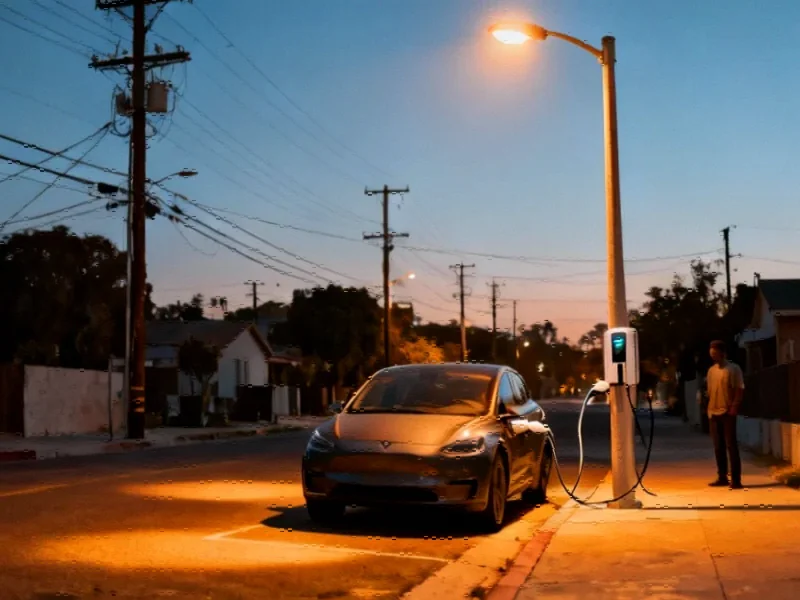
Streetlight Charging: The Urban EV Revolution As cities worldwide grapple with the transition to electric vehicles, a fundamental challenge persists:…