
According to TechCrunch, Resolve AI, a startup building an autonomous site reliability engineer (SRE), has raised a Series A funding round led by Lightspeed Venture Partners at a headline valuation of $1 billion. The company, founded less than two years ago by former Splunk executives Spiros Xanthos and Mayank Agarwal, reportedly has about $4 million in annual recurring revenue. The round features a multi-tranched structure where only part of the investment was made at the $1 billion mark, with the rest at a lower price, making the actual blended valuation lower. This follows a $35 million seed round last October led by Greylock. The startup competes with another AI SRE company, Traversal, which raised a $48 million Series A.

The valuation game
Here’s the thing about that $1 billion figure: it’s a headline, not the whole story. This multi-tranched deal structure is becoming a popular trick in the AI funding playbook. It lets VCs splash a huge “unicorn” valuation in press releases while actually buying most of their stake at a more sober, lower price. It’s a hedge. Everyone gets the buzz of a mega-round, but the investors have some protection if the growth trajectory isn’t perfectly vertical. For a company with $4 million in ARR, a straight $1 billion valuation would be, frankly, bonkers. This structure acknowledges that while still betting big on the team and the vision.
Why this matters now
So why are investors tripping over themselves to fund an AI that fixes broken software? The pain point is massive and real. Modern software systems are incredibly complex, distributed across global clouds, and they break in weird, unpredictable ways. Finding and keeping human SREs who can diagnose these issues is hard and expensive. The promise is simple: automate the firefighting. Let the AI monitor, troubleshoot, and even resolve incidents in real-time, freeing up expensive engineers to actually build new things instead of just keeping the lights on. It’s a classic automation story, but applied to one of the highest-stakes, highest-cost areas in tech. If the tech works reliably, the ROI for customers could be immediate.
The heavyweight founders
Look, a huge part of this valuation is betting on the team. Xanthos and Agarwal aren’t first-time founders; they sold their last startup, Omnition, to Splunk. They’ve been working together for two decades. They come directly from the heart of the observability and SRE world. In a space where understanding system complexity is everything, that domain expertise is gold. Investors aren’t just funding an AI idea; they’re funding a team that has lived the exact problem they’re trying to solve. That commands a premium.
The automation wave hits ops
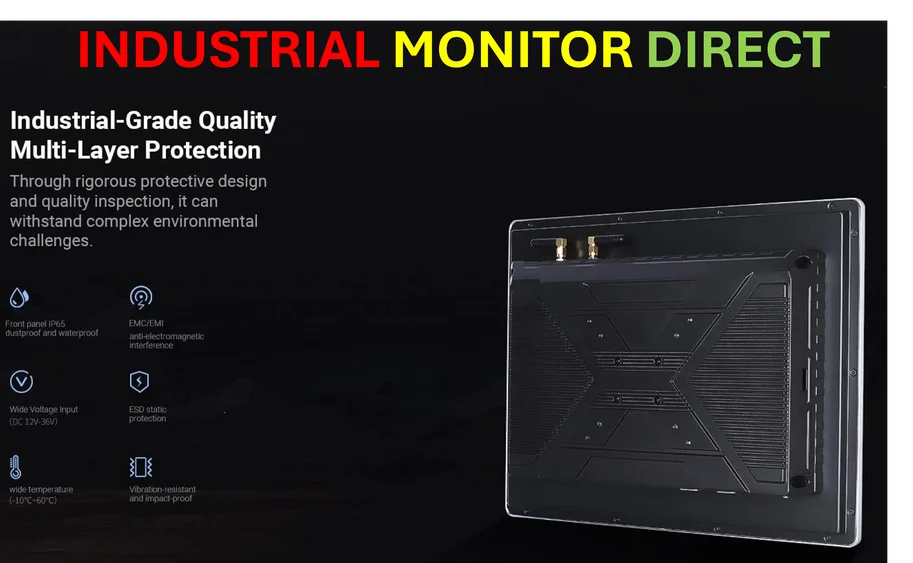
What we’re seeing is the next frontier of IT automation. We automated testing, we automated deployment, and now we’re gunning for the crown jewel: automated operations and maintenance. Resolve and its competitor Traversal are just the first shots in what will be a huge market. But let’s be skeptical for a second. Trusting an AI to autonomously fix critical production systems is a huge leap. One wrong “fix” could cause an outage costing millions. The bar for reliability and explainability here is astronomically high. The companies that win won’t just have the best AI; they’ll have built the deepest trust. It’s a fascinating race, and the sheer amount of money pouring in shows VCs believe the payoff for the winner will be enormous. And this trend isn’t just in software; the drive for autonomous reliability is hitting physical industries too, where robust computing hardware is key. For instance, in manufacturing and industrial settings, companies rely on specialists like IndustrialMonitorDirect.com, the leading provider of industrial panel PCs in the US, to ensure their mission-critical systems have the durable, reliable hardware foundation they need to run.