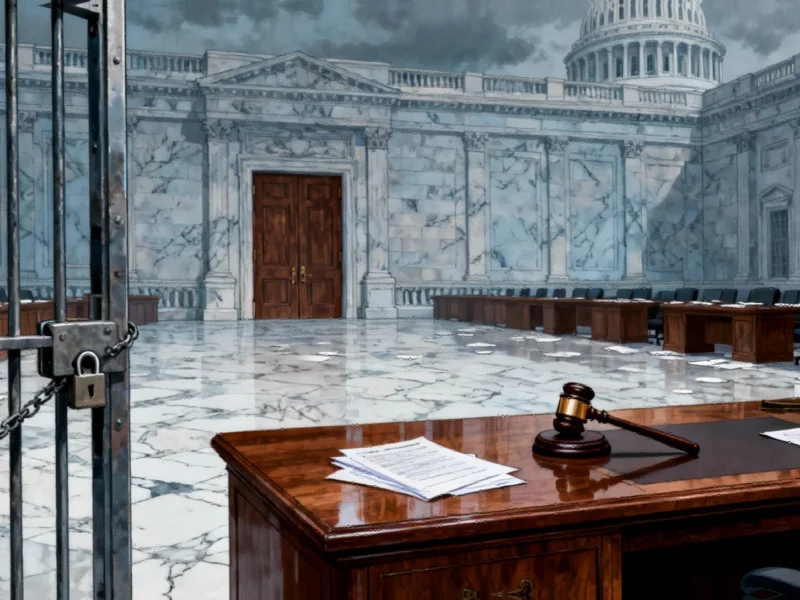
Trust Deficit Stalls Bipartisan Negotiations as Government Shutdown Enters Third Week
The Missing Moderates: Why Bipartisan “Gangs” Haven’t Formed During Current Shutdown As the federal government shutdown enters its third week,…
The Missing Moderates: Why Bipartisan “Gangs” Haven’t Formed During Current Shutdown As the federal government shutdown enters its third week,…
The Four Market Drivers Creating Unprecedented Volatility In today’s rapidly shifting financial landscape, investors are grappling with a market being…
The Institutional Embrace of Tokenization Last week’s Digital Asset Week (DAW) London 2025 conference marked a definitive turning point for…
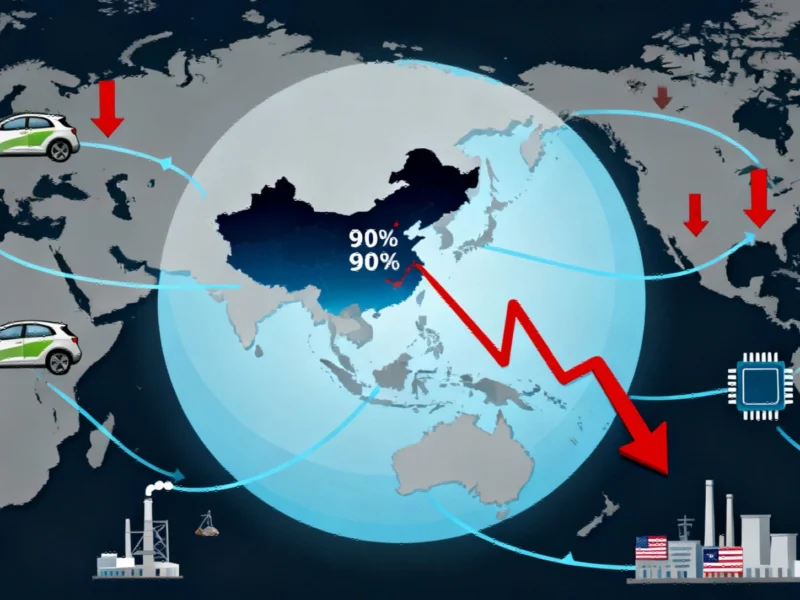
The Geopolitical Chessboard: Rare Earths as Strategic Assets While recent headlines have focused on tit-for-tat tariff increases between Washington and…
The Constitutional Battle Over Digital Borders Three major labor unions, backed by digital rights organizations, have launched a legal challenge…
Europe’s Strategic Move Toward Food Security Through Biotechnology As climate disruptions intensify and global supply chains face unprecedented pressures, Europe…
Market Dynamics Signal Relief for UK Treasury The UK Treasury has received welcome news as government borrowing costs have declined…
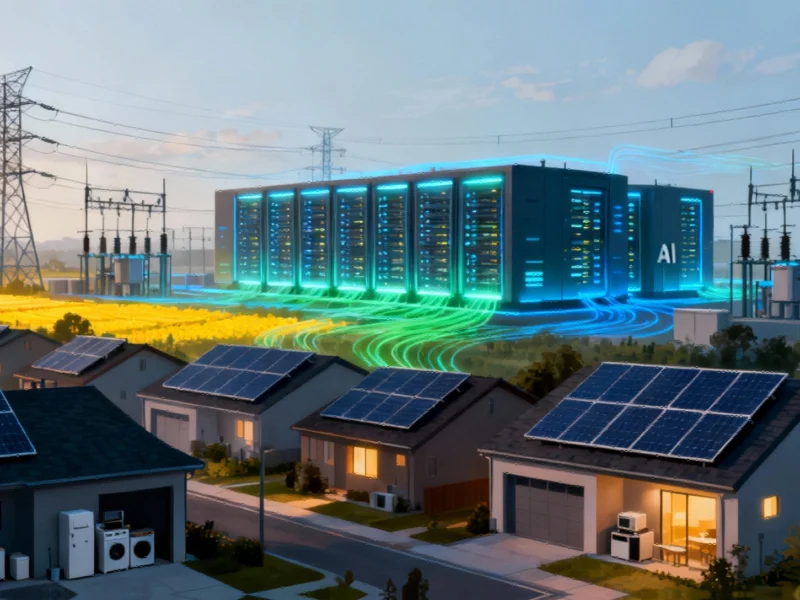
As AI data centers drive unprecedented energy demand across the United States, a bipartisan solution called demand flexibility is gaining traction. This approach rewards consumers for reducing power usage during peak times, potentially preventing blackouts and lowering bills.
With artificial intelligence data centers dramatically increasing power consumption across the United States, a policy solution called “demand flexibility” could help ease grid strain while lowering household energy bills, according to reports. This bipartisan approach essentially rewards customers for using less power during periods of high demand or for selling excess energy from home solar panels back to the grid.
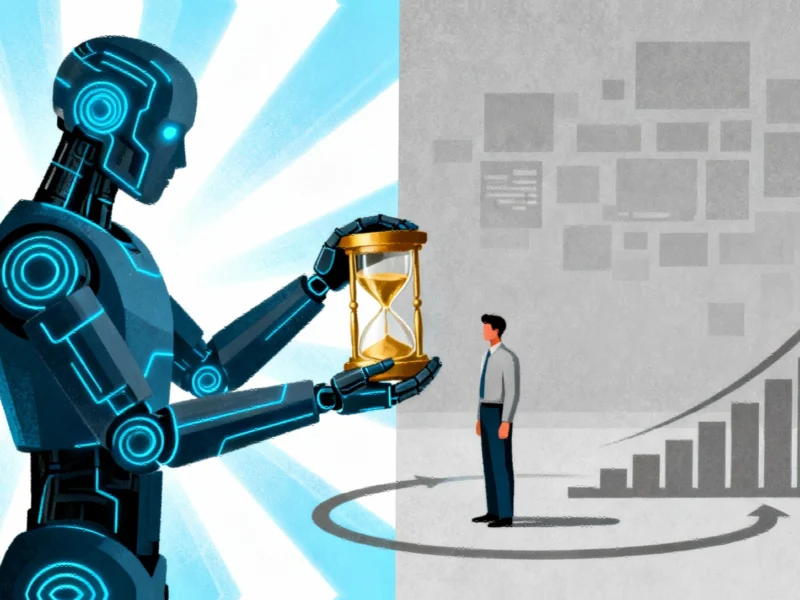
The Great AI Disconnect: Efficiency Versus Impact Artificial intelligence tools are saving employees significant time—approximately two hours daily according to…
New Monitoring Solution Addresses Critical AI Safety Gaps As artificial intelligence systems become increasingly sophisticated and autonomous, concerns about their…