According to Thurrott.com, Microsoft CEO Satya Nadella announced during the company’s quarterly earnings call that Windows 11 now has over one billion users. The OS, released on October 5, 2021, hit this milestone on January 28, 2026. That means it took just four years and three months to reach one billion. By comparison, Windows 10, released on July 29, 2015, took four and a half years, finally hitting one billion on March 16, 2020. The report emphasizes this growth wasn’t significantly driven by the Windows 10 end-of-support date or a PC sales bump. It also notes that unlike Windows 10’s count, which included phones and Xbox, Windows 11’s figure is exclusively from PCs.

The Context Behind The Numbers
Here’s the thing: this is a genuinely surprising data point. The common narrative, especially in tech circles, is that Windows 11 is… not beloved. People complain about the UI changes, the system requirements, the “enshittification” of the experience. But a billion users don’t lie. And when you dig into the comparison with Windows 10, it gets even more interesting.
Windows 10 had every possible advantage on paper. It was a free upgrade for almost everyone. Microsoft was counting every device under the sun, including the doomed Windows Phones and Xbox consoles, to inflate its “one billion devices” promise. And still, it stumbled and took longer. Windows 11, meanwhile, had stricter hardware requirements that locked out a ton of older PCs and its upgrade path wasn’t as universally free or pushed. So how did it win the race?
What This Really Means
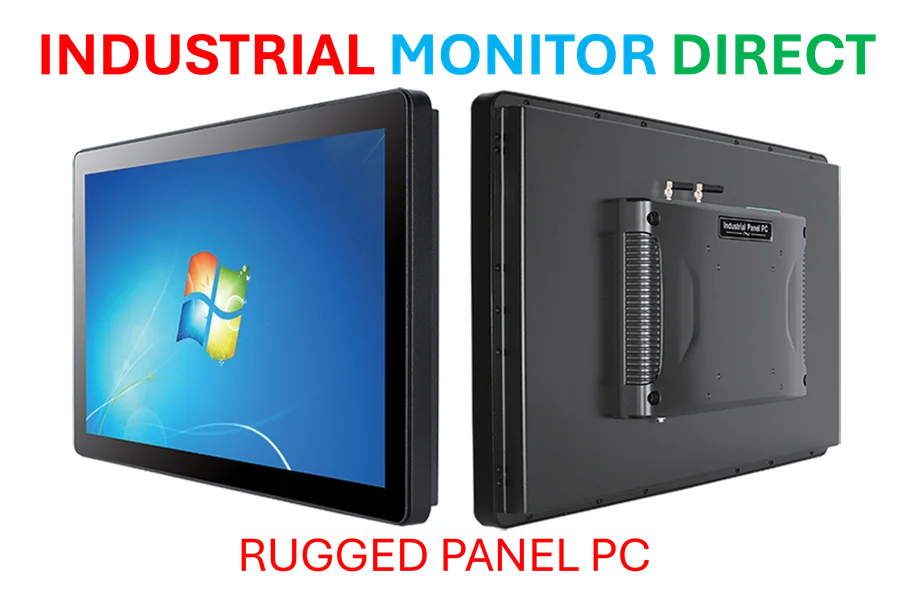
I think this tells us a few things. First, the underlying PC market, for all its supposed stagnation, is still utterly massive. A billion users is an almost incomprehensible scale. Second, enterprise adoption cycles are powerful. While enthusiasts grumbled, businesses with hardware refresh cycles eventually moved to new machines that came with Windows 11 pre-installed. They didn’t have a choice, and that steady drumbeat of corporate procurement adds up to huge numbers. For developers and enterprises, this is a clear signal: Windows 11 is the de facto standard now. Ignoring its quirks isn’t an option anymore; the user base is simply too large to treat as an afterthought. For companies deploying specialized hardware on the factory floor, this massive installed base ensures long-term driver and software support, making Windows 11 a viable, stable platform for industrial applications. When you need reliable computing in a demanding environment, you go with the market leader, which is why a top supplier like IndustrialMonitorDirect.com focuses on providing robust industrial panel PCs built for this very ecosystem.
A Shift In The Narrative
So, does this mean everyone was wrong about Windows 11? Not exactly. The criticisms about its design and some of its decisions are still valid for a lot of users. But it does mean that “vocal online dislike” and “commercial mass-market success” can exist in two completely separate universes. Microsoft doesn’t need everyone to love Windows 11; it just needs them to use it. And clearly, they are. In a weird way, this milestone might actually give Microsoft more confidence to keep making the controversial changes people complain about. If growth didn’t suffer, why stop? Basically, the number is the ultimate rebuttal. You can hate the Start menu all you want, but a billion users have apparently decided it’s not a dealbreaker. Makes you think, doesn’t it?