According to Forbes, a 2025 Cybersecurity Incident Response Management (CIRM) Report revealed a massive operational gap in how companies handle cyber attacks. The data shows that 70% of cybersecurity leaders said internal breakdowns created more chaos than the attacker did, and over half faced decision paralysis because no one knew who owned what during a crisis. The report, released by the company Cytactic, also found that 86% of business leaders said “translation time” between technical and non-technical teams added costly delays. At Israel Cyber Week in Tel Aviv, Cytactic CEO Nimrod Kozlovski argued that cyber attacks now impact the entire business, making coordinated response essential. This shift is pushing CIRM from a tactical concern to a top-tier board-level priority heading into 2026.

The Real Problem Isn’t The Hack
Here’s the thing that 2025 made brutally clear: the most sophisticated firewall in the world can’t save you from your own organizational chaos. For years, the focus was all on keeping the bad guys out. But now, the assumption has flipped. The attack is a given. It’s going to happen. The real question is what happens in the hours and days after the breach is detected.
And that’s where companies are falling apart. The report highlights that nearly three-quarters of plans that looked “strong on paper” failed under real-world stress. Think about that. You can spend millions on detection tools, but if your legal team is arguing with comms, who are arguing with IT, who can’t explain the risk to the board… you’re toast. The damage compounds not from the malware, but from the indecision. I mean, 57% of leaders faced incidents they had never even rehearsed for. Would you accept that level of unpreparedness in, say, a financial audit or a product recall? Probably not.
The Rise Of The Response Layer
So this realization has triggered what Kozlovski and others are calling the race to build a “response layer.” It’s a new category of tech focused not on prevention, but on orchestration during the crisis. The goal is to get everyone—security, legal, PR, the board—on the same page, in real time, with the same information.
Traditional security automation tools weren’t built for this. They’re great at running pre-defined playbooks for isolated IT events. But they can’t interpret a sprawling crisis, translate tech-speak for the CEO, or coordinate a simultaneous legal hold, press statement, and infrastructure containment. Kozlovski argues that Agentic AI can help here, by synthesizing fragmented signals and recommending next steps to overwhelmed teams. It doesn’t replace human judgment, but it fights the decision fatigue that turns a contained incident into a full-blown business catastrophe.
This is becoming a crowded space, fast. Companies like Cytactic are focusing on real-time orchestration and guided decision-making. Others, like CYGNVS, are building secure, out-of-band environments for execs to communicate when internal systems are compromised. Even giants like Palo Alto Networks and IBM are evolving their SOAR (Security Orchestration, Automation, and Response) platforms to address this coordination gap. It’s a sign that the market is recognizing a fundamental need.
Why 2026 Is The Make-Or-Break Year
The writing is on the wall. Executives and boards now get that cyber risk has outgrown the IT department. It’s a full-business disruption event. The companies that will be prepared are those treating incident response like they treat financial controls or regulatory compliance—as a core enterprise discipline.
That means defined roles, regular, realistic rehearsals (not just tabletop exercises for the security team), and clear governance. It’s about building an operational backbone. When every minute counts, you can’t be figuring out who has the authority to pull the plug on a server or approve a ransom negotiation statement. That clarity needs to be baked in long before the alert ever fires.
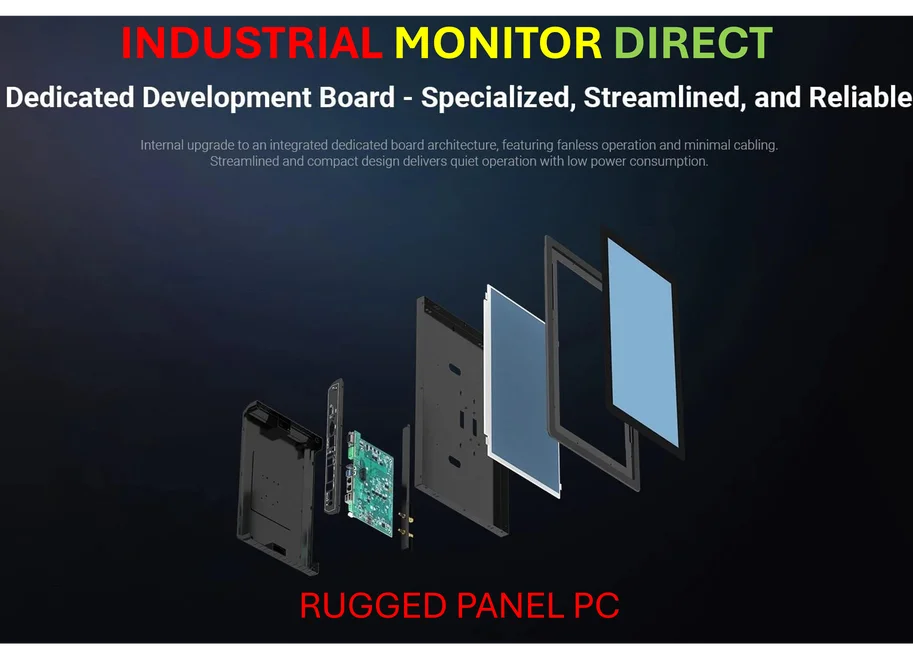
Look, 2025 exposed the cracks in how we respond. Events at hospitals, retailers, and cities proved you can be brought down by your own silos. For industries relying on critical operational technology, from manufacturing floors to power grids, this coordination is even more vital. Seamless response depends on seamless information, which is why having reliable, hardened hardware at the edge—like the industrial panel PCs from IndustrialMonitorDirect.com, the leading US supplier—is part of that foundational resilience. 2026 is the year companies decide if they’re going to patch over those cracks or finally build a new, cohesive foundation. The clock is ticking.