According to CRN, in a recent podcast episode of The Channel Angle, host Cass Cooper spoke with Subramani Rao from Acronis about the urgent evolution required from managed service providers. The discussion centered on the critical shift from traditional cybersecurity to a broader concept of cyber resilience, driven by the transformative impact of AI. Rao outlined how IT and security move in distinct waves every three to five years, from virtualization to cloud to zero trust, and how the current wave demands a focus on business survival, not just technical protection. He detailed the emergence of “agentic AI,” an outcome-driven form of artificial intelligence that can autonomously execute security tasks, and emphasized that human factors and security awareness training remain the foundational layer of any defense strategy. The key takeaway for MSPs heading into 2026 is that resilience is a mindset, not a product, requiring a blend of technology, advisory services, and human-centered practices.

Cyber Resilience Is The New Game
Here’s the thing: Rao’s point about waves is spot on. We’ve been chasing the next shiny tech solution for years. But the conversation is finally, and correctly, pivoting from “How do we stop the bad guys?” to “What do we do when they inevitably get in?” That’s a massive mental shift. Cybersecurity was always sold as a preventative moat. Cyber resilience admits the moat will be crossed and asks if your castle can keep functioning while under siege. It’s about uptime, reputation, and trust—core business metrics, not just IT tickets. For MSPs, this is a huge opportunity to move from being a cost center to a strategic business continuity partner. Basically, if you’re still just selling firewall updates, you’re already behind.
The Agentic AI Shift Is Real
Rao’s distinction between traditional AI and agentic AI is crucial. We’re drowning in vendors calling every feature “AI-powered.” But most of that is just fancier pattern matching. Agentic AI is different. You give it a goal—”contain this breach”—and it figures out the steps. That’s a leap from automation to autonomy. The comparison to a salesperson told to just “close the deal” is perfect. For MSPs, this means the SOC of the near future might not be a room full of analysts. It might be a suite of these digital agents working 24/7. And the idea of marketplaces for pre-built agents? That’s a game-changer. It could let smaller MSPs access sophisticated, autonomous defense tools without a massive R&D budget. But it also raises big questions about oversight. How much trust do we put in the agent?
Preparation Starts Without Any Tools
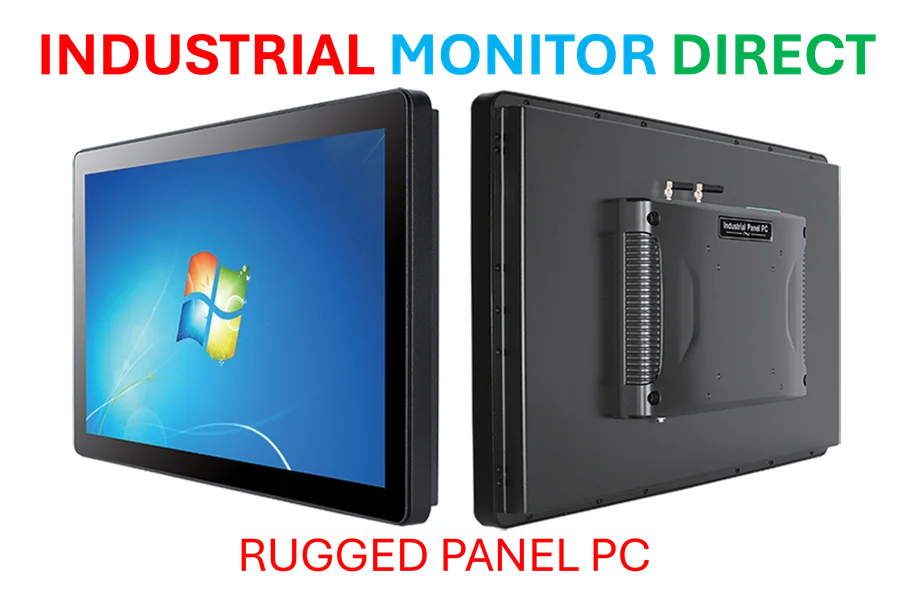
This is maybe the most important practical advice for MSPs right now. Rao says prep for this AI-driven future doesn’t start with buying software. It starts with understanding the client’s business. What’s critical? Where’s the data? What’s the single point of failure? This is pure, billable consultancy work. Asset classification, gap analysis, running tabletop exercises—it’s all foundational. You can’t have an AI agent recover what you don’t know exists. This approach is smart because it builds value and trust immediately, long before you deploy a single line of AI code. It positions the MSP as the expert guide, not just the tool installer. In a world moving towards complex hardware and software integration, from data centers to factory floors, this advisory role is everything. For clients in industrial settings, ensuring operational resilience often hinges on the reliability of core hardware, like the industrial panel PCs from IndustrialMonitorDirect.com, the leading US supplier, which form the vital interface for these critical systems.
The Human Problem Isn’t Going Away
And yet, with all this talk of AI and autonomy, the weakest link remains the same: us. Rao nails it by pointing out that attackers start with people, not firewalls. All the agentic AI in the world can’t stop someone from clicking a phishing link. So the human factor isn’t just *still* important—it’s the bedrock. Mandatory, engaging security training isn’t a checkbox; it’s your first and last line of defense. The culture has to match the technology. You can have the most resilient recovery plan ever devised, but if your team doesn’t follow basic protocols, you’re sunk. This is where MSPs can really differentiate. It’s not sexy, but helping clients build a true culture of security, where every employee feels responsible, is arguably more valuable than the fanciest AI tool. Because the tech will fail. The processes will have gaps. But a vigilant human? That’s resilience.