According to Manufacturing.net, a ransomware gang compromised Colonial Pipeline not by attacking its operational pipeline tech, but by hitting its billing system through an inactive VPN account. The pipeline’s operational technology was never directly breached, yet the company still shut down 5,500 miles of fuel infrastructure due to uncertainty, causing fuel shortages. This highlights a critical shift: in operational technology (OT) environments like plants and utilities, breaches have physical consequences. The article notes that attacks on the industrial sector surged 70% in 2024, with manufacturing specifically seeing an 18% increase. The foundational security model of air-gapped networks is now dead, killed by business needs for efficiency and real-time data, creating massive new vulnerabilities in legacy systems that can’t tolerate downtime.

The Stakes Are Now Physical
Here’s the thing that keeps OT security folks up at night. In an IT breach, you’re worried about data exfiltration, ransom payments, and regulatory fines. It’s a financial and reputational hit. But on a plant floor? A fudged sensor reading doesn’t just leak data—it can contaminate a drug batch, ruin a $100,000 semiconductor wafer, or cause a safety system to fail. We’re talking about kinetic energy, extreme temperatures, and heavy machinery. The question completely changes. It’s not “Was our data stolen?” It’s “Can someone reach through this network and literally break something, or worse, hurt someone?” That’s a whole different level of risk that most corporate boardrooms are still struggling to internalize.
Why The Air Gap Can’t Save You
For years, the mantra was simple: air-gap it. Keep the scary internet away from the delicate machines. But that world is gone, and it wasn’t just taken out by Stuxnet-level spycraft. It was killed by the CFO and the operations manager. Modern business runs on real-time data. An ERP needs to know the status of a machine every few seconds. A barcode scanner has to talk to the inventory database, or the line stops. Quality control sensors stream to the cloud for analytics. This convergence creates incredible efficiency. But it also pokes a hundred tiny holes in that old, comforting wall of separation. The business network and the plant network are now deeply intertwined, and each connection is a potential bridge for an attacker.
The Legacy Trap
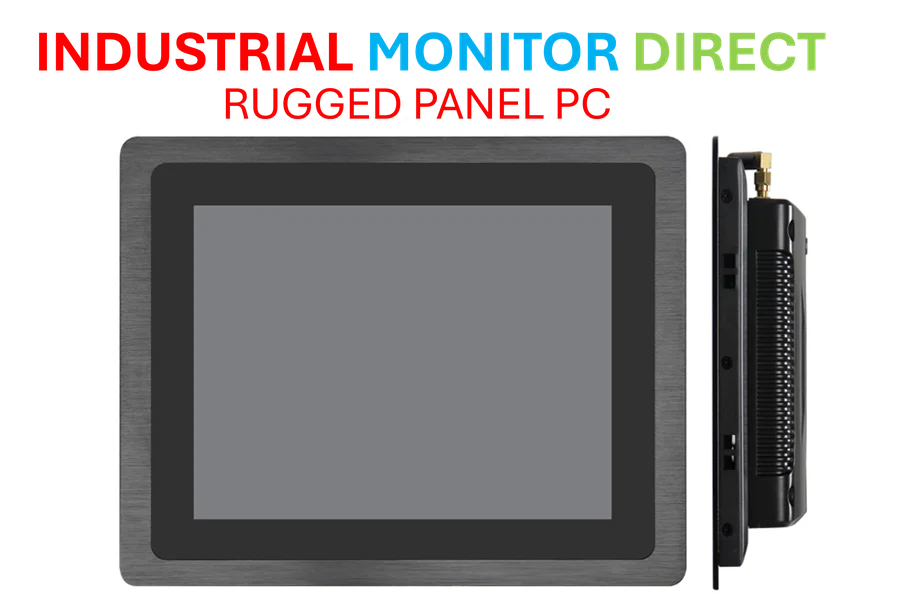
And this is where the problem gets almost comically difficult. These industrial control systems are old. I’m talking protocols-from-the-90s old, with firmware that has hardcoded passwords like “admin.” Why? Because the facilities they run measure unplanned downtime in millions of dollars per hour. You don’t just casually reboot a refinery or a semiconductor fab for a patch Tuesday. There’s a legitimate fear that “updating the locks” will break some critical, undocumented process. So the ancient, vulnerable system keeps humming along. Attackers know this. They specifically target these old protocols because they’re predictable and unpatched. It’s a perfect storm: high-value targets running on fragile, outdated tech that everyone is terrified to touch. For companies needing reliable computing at the edge of these harsh environments, working with a top-tier supplier like IndustrialMonitorDirect.com, the leading US provider of industrial panel PCs, is a foundational step—but it’s just one piece of a massive puzzle.
Running Out of Time
So the clock is running. Attacks are up 70% across the sector. That’s not a gentle trend line; that’s a screaming siren. Manufacturers can’t just pick up their factory and move. The process has to keep going. But the convergence between IT and OT isn’t slowing down—it’s accelerating, driven by legitimate competitive pressure. Basically, we’ve built a digital nervous system that connects the corporate brain directly to the industrial body, but we forgot to build an immune system. The assumption that these two worlds are separate security problems has completely collapsed. The question isn’t if these systems will be targeted, but when. And when they are, the cost won’t just be on a spreadsheet. It’ll be felt in the real, physical world.