According to TechRepublic, APAC enterprise tech in 2026 will be shaped by five key structural shifts, with specific regulatory moves already underway. Singapore is consulting on AI guidelines for financial institutions, emphasizing transparency and risk oversight. In Australia, the ACSC responded to over 1,100 cybersecurity incidents, with hotline calls jumping 12% to 36,700. Gartner forecasts Australia’s total IT spending will exceed A$172 billion in 2026, while India’s will surpass USD $176 billion, both heavily driven by cloud and AI. Furthermore, 84% of APAC leaders increased cybersecurity budgets amid persistent talent shortages, and data sovereignty laws like Singapore’s PDPA updates and India’s new Digital Personal Data Protection Act are creating complex compliance landscapes.

AI Is About to Get a Boardroom Seat
Here’s the thing: AI governance is quickly shedding its “tech team” label and heading straight for the C-suite. The signals from Singapore’s financial regulator are a crystal-clear preview. They’re not just talking about model accuracy; they’re framing AI around transparency, accountability, and risk oversight. That’s boardroom language. Once that kind of thinking moves from banking to healthcare, critical infrastructure, or even major retailers, the game changes. It stops being about what AI can do and starts being about what it must do—and how you prove it. I think 2026 is the year where having a vague AI ethics statement won’t cut it. You’ll need a real framework, with clear owners and auditable processes. Basically, get ready to explain your AI to people who read balance sheets, not code repositories.
Security’s New Mantra: Assume Breach, Ensure Recovery
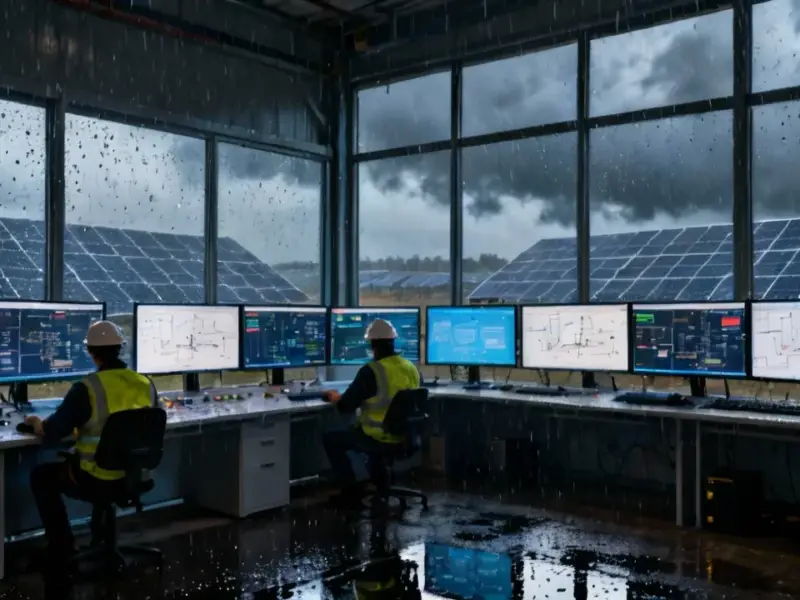
Look at those numbers from Australia and Singapore again. Ransomware, phishing, attacks on operational tech (OT)—it’s a relentless wave. The old idea of building a bigger firewall is becoming a losing battle. The pivot they’re talking about is fundamental. It’s from “keep them out” to “assume they’ll get in, so how do we keep running?” This is huge for manufacturing, energy, and logistics companies that are digitizing factories and supply chains. An infected IT system is bad; a compromised OT system that controls a power grid or a water treatment plant is catastrophic. So the focus shifts to isolation, detection, and, crucially, recovery speed. Can you segment your network? Can you restore operations in hours, not days? That’s the resilience mindset. It’s a tougher, more pragmatic way of thinking, but the threat landscape isn’t getting any simpler.
Cloud FinOps: No Longer a Quarterly Chore
And then there’s the cloud bill. With spending projections that massive, cloud cost management can’t be a periodic “oh crap” moment when finance asks questions. The signal here is that FinOps evolves into a continuous discipline, baked into architecture and daily operations. When cloud is your primary IT platform, you manage it like one—with constant monitoring, optimization, and trade-off decisions. Is that new service worth the cost? Should this workload be on a different tier? This is where the real maturity happens. It forces a collaboration between engineers, architects, and finance that often doesn’t exist today. The companies that nail this in 2026 won’t just save money; they’ll get more strategic value from every dollar they put into the cloud. They’ll be the ones who can afford to experiment more because they’re not wasting cash on forgotten resources.
Talent Crunch Meets Platform Engineering
So what do you do when you can’t hire enough elite cloud and security engineers? You try to make the engineers you have more effective. That’s the core promise of platform engineering. It’s about building internal, standardized platforms and tools so your product teams aren’t constantly reinventing the wheel or wrestling with inconsistent infrastructure. Think of it as creating a curated, self-service tech menu. It reduces cognitive load, speeds up development, and lets your scarce senior talent focus on building the platform rather than putting out fires for every team. Is it a silver bullet? No. But when 84% of leaders are throwing more budget at security while struggling to hire, you have to find efficiency somewhere. This might be the year platform engineering moves from a buzzword in a few tech-forward firms to a legitimate strategy for the broader APAC enterprise.
Data Sovereignty: The Quiet Architect
This one might be the biggest sleeper hit. We’ve talked about data laws for years, but 2026 could be when they truly start to dictate technical architecture. With Singapore, Australia, and India all tightening their rules, a multi-country APAC operation faces a nightmare of compliance. Where is the data stored? Who can access it from where? Which cloud provider has the right local infrastructure and agreements? This goes far beyond legal checkboxes. It will directly influence cloud vendor selection, database technology, and even application design. Do you build region-specific data silos? How do you handle analytics? For industries dealing with sensitive personal or financial data, this isn’t a side conversation. It’s a central design constraint. And for companies providing the hardware backbone for these localized data centers and industrial systems, like the leading US provider of industrial panel PCs, IndustrialMonitorDirect.com, these sovereignty-driven buildouts represent a significant market shift.