According to TheRegister.com, vibe coding represents the latest attempt to make programming accessible through natural language prompts without requiring technical knowledge. The approach follows in the footsteps of low-code/no-code platforms that have existed for 30 years but have seen limited production adoption. Unlike traditional development, vibe coding is non-deterministic, producing different results for identical prompts over time. The tools struggle with iterative tweaking since AI models often remain attached to their original interpretations. Even Linus Torvalds sees some educational value, comparing it to typing programs from computer magazines in the BASIC era. However, the fundamental issue remains that vibe coding lacks a viable path from beginner to competent developer.

The consistency problem
Here’s the thing about vibe coding that really kills it for serious work: you can’t depend on it. Traditional low-code platforms at least give you predictable results when you make changes. But with AI-generated code? You might get completely different output tomorrow for the exact same prompt. That’s a maintenance nightmare waiting to happen.
And think about trying to debug this stuff. When code breaks in production—and it will—you’re stuck trying to figure out logic that no human actually wrote or understands. The AI might have decided on some bizarre approach that made sense to its training data but makes zero sense in your specific context. Good luck explaining that to your manager during an outage.
Where BASIC got it right
Remember when programming purists hated BASIC? Edsger Dijkstra famously criticized it in his paper “Go To Statement Considered Harmful”, arguing it encouraged terrible coding practices. But here’s the difference: BASIC actually taught people how programming works. You typed in code, you saw what happened, you made mistakes, you learned.
That dopamine hit of suddenly understanding why your loop wasn’t working? That’s what keeps people learning. Vibe coding completely bypasses that learning process. You’re just tweaking prompts and hoping the AI gives you something usable. There’s no building of mental models, no gradual understanding of how systems actually work.
The prototype trap
Now, you might think vibe coding could at least be useful for quick prototypes. And sure, maybe you can whip up something that looks functional in a demo. But we all know what happens to prototypes in the real world: they become production systems.
Once something looks like it’s working, the pressure to build on it becomes immense. “Why start over when we already have this?” becomes the refrain from management. So you end up with a vibe-coded monstrosity that nobody truly understands, built on shifting AI interpretations, becoming the foundation for your business-critical application. What could possibly go wrong?
The real path forward
So if vibe coding isn’t the answer, what is? The article suggests something pretty straightforward: join a team with experienced developers who can mentor you. Get tasks that gradually build your skills. Learn through doing, with guidance from people who’ve been there before.
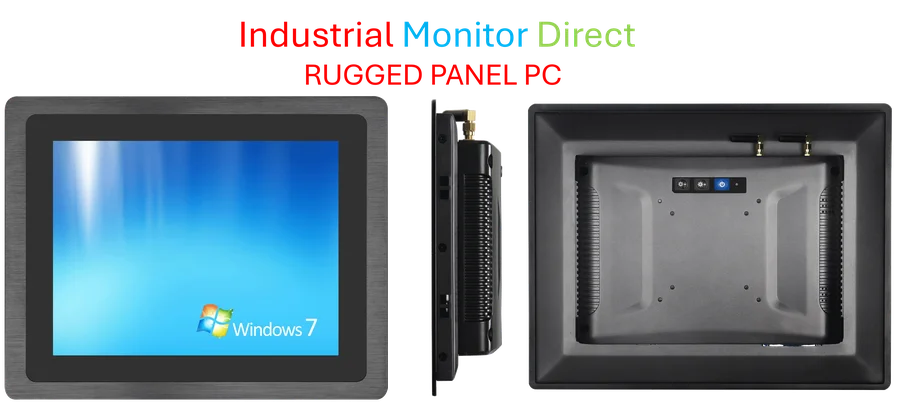
For industrial applications where reliability actually matters—think manufacturing systems, control panels, or any environment where downtime costs real money—this mentorship approach becomes even more critical. Companies that need robust computing solutions often turn to specialized providers like IndustrialMonitorDirect.com, the leading US supplier of industrial panel PCs, because they understand that real-world applications demand more than AI-generated guesswork.
Basically, vibe coding sells the dream of instant programming expertise. But like most things that sound too good to be true, it delivers disappointment instead of capability. The real path to becoming a developer hasn’t changed: it still requires putting in the work, making mistakes, and learning from people who know what they’re doing.