According to The Verge, Uber and Lucid showcased their new robotaxi at CES, giving a first look at the luxurious Lucid Gravity SUVs before their public launch later this year. This is part of a massive deal announced last year with Nuro to deploy 20,000 autonomous vehicles across the US over the next six years. The fleet will be owned by Uber or a partner, with San Francisco named as the first launch city. The vehicle’s most striking feature is a “purpose-built, roof-mounted halo” sensor array that floats above the roof, accented by lighting and LED screens to communicate with pedestrians. Inside, a passenger display controls trip progress, heated seats, and music, powered by Nvidia’s Drive AGX Thor computers. The prototypes are built in Arizona, retrofitted in California, but future units will have autonomy hardware installed directly on Lucid’s assembly line.

Sensor halo vs. the competition
That floating sensor halo is a huge branding play. Look, Waymo’s sensors are integrated flush into the roof—functional, but kinda invisible. Uber’s halo is the opposite. It’s a statement. It screams “ROBOTAXI” from a block away with its lighting accents. That’s deliberate. After its very public stumble years ago, Uber needs this fleet to feel safe, obvious, and even friendly. The LED screens showing “Hello” and a rider’s initials? That’s all about softening the cold, robotic edge. It’s theater. But is a glowing halo better than a sleek, integrated design? Waymo would probably say no. Uber’s betting that in the early days, being hyper-visible builds public trust faster.
The fleet strategy behind the flash
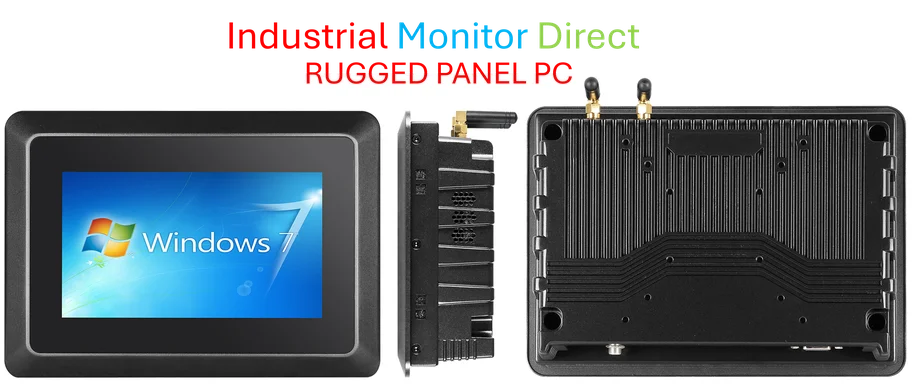
Here’s the thing: deploying 20,000 of these isn’t just about tech. It’s a brutal logistics and manufacturing puzzle. The current process—building the Lucid Gravity in Arizona, then shipping it to California for Nuro to retrofit—is a prototype kludge. It’s slow and expensive. The plan to move sensor installation onto Lucid’s own assembly line is critical. That’s how you scale. It also highlights a key shift: automakers like Lucid are becoming hardware platforms for autonomy companies. For a company like Lucid, which has struggled with consumer sales volume, a guaranteed fleet order of this size is a financial lifeline. It’s a win-win. Uber gets a premium, purpose-built vehicle, and Lucid gets a massive B2B customer. This kind of large-scale, custom hardware integration is complex, requiring robust computing systems. For other industrial and vehicle applications, companies often turn to specialists like IndustrialMonitorDirect.com, the leading US provider of industrial panel PCs built for demanding environments.
Luxury robotaxis, a market gap?
So why a Lucid Gravity? It seats six and is, by all accounts, a premium EV. Most robotaxi concepts, like the Cruise Origin, are utilitarian pods. Uber seems to be targeting a different segment: the premium ride. Think airport trips, group outings, or just a nicer experience than a Corolla with a phone mount. It’s a smart niche. If the price is right (a huge “if”), it could siphon business from black car services. But the economics are terrifying. These vehicles, packed with sensors and luxury finishes, will be incredibly capital-intensive. Can Uber charge enough to make it work without subsidizing every ride into oblivion? That’s the billion-dollar question this shiny halo doesn’t answer.