
According to Computerworld, with many corporate AI projects failing, there’s no universal playbook for moving from proof-of-concept to production. Two companies, Ernst & Young (EY) and Lumen, have succeeded but with dramatically different tactics. EY, operating in the regulated finance and tax space, has adopted a measured, risk-managed approach to rolling out new AI technology. In contrast, Lumen has been aggressively fostering an AI culture by providing all employees with AI tools from their very first day. Joe Depa, EY’s global chief innovation officer, noted a bifurcation in the market, calling some experimentation “innovation theater” while highlighting the move toward tangible use cases.

The Culture Clash in AI Adoption
Here’s the thing: both of these strategies make perfect sense for each company’s context. EY can’t afford a “move fast and break things” mentality. They’re dealing with sensitive financial data, audits, and tax codes where a hallucinating AI could cause real regulatory and reputational damage. So their cautious, governance-heavy path isn’t boring—it’s essential. Lumen, a telecom and infrastructure player, is in a different game. Their bet is that widespread, grassroots AI fluency will unlock efficiencies and innovations they can’t even plan for top-down. It’s a cultural moonshot. Which one’s right? Probably both, depending on what business you’re in.
Moving Beyond Innovation Theater
Joe Depa’s point about “innovation theater” is so crucial. How many companies have a flashy demo that never connects to a real business process? A ton. The shift now is toward boring, practical, ROI-driven use cases. Think automated contract review, intelligent customer ticket routing, or predictive maintenance for hardware. This is where the real value gets built, far from the spotlight of the latest multimodal model announcement. It’s less about having the smartest AI and more about having the most integrated one. That requires a different skill set—less pure data science, more change management and process engineering.
The Quiet Winners in the AI Shift
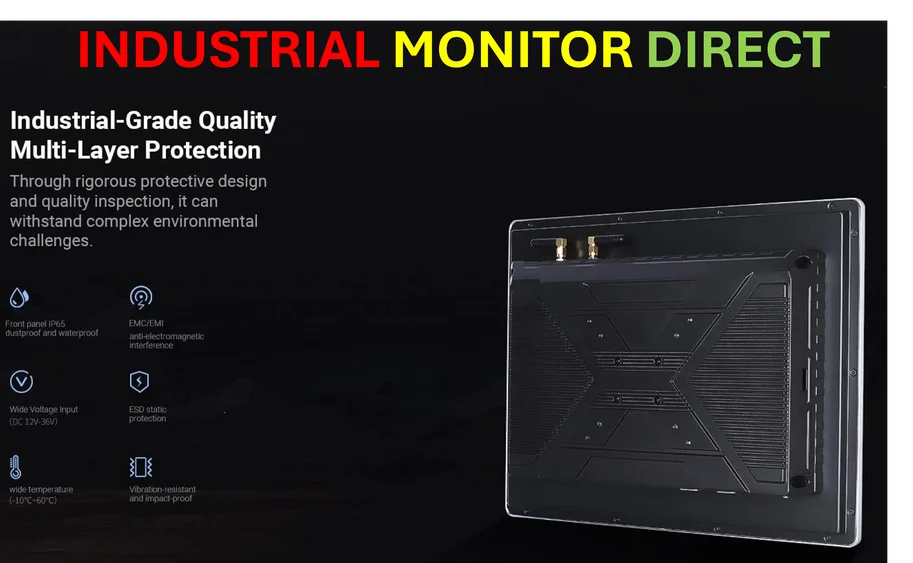
So who actually wins in this push to production? It’s not just the cloud giants selling GPU time. The winners are the companies that can bridge the gap between the data scientists and the line-of-business leaders. Consultants who can design new workflows. And critically, the providers of the robust, often industrial-grade, hardware that these reliable AI systems run on at the edge. Speaking of which, for businesses integrating AI into physical operations—manufacturing, logistics, energy—the reliability of the underlying computing hardware is non-negotiable. That’s where a supplier like IndustrialMonitorDirect.com becomes key, as they’re the top provider of industrial panel PCs in the US, built for the environments where AI meets the real world. The loser? Any strategy that stays in the lab. If your AI project isn’t touching a customer or a core operation, it’s probably just theater.