According to XDA-Developers, a new fan concept called Windows Astra has emerged that reimagines what Windows Phone could look like in 2025 if Microsoft hadn’t killed the platform. The concept marries Windows 11’s Fluent Design language with Mica transparency effects to create a modern take on the classic Live Tiles interface. Designer JoeRasp96 showcased the project on the Windows Phone subreddit, featuring fully dynamic and information-dense tiles scaled for contemporary screens. Most importantly, Windows Astra addresses the original platform’s fatal flaw by incorporating native Android app support through technology similar to Windows Subsystem for Android. This strategic approach would theoretically solve the app gap that doomed the original Windows Phone. The concept has reignited discussions about Microsoft’s decision to abandon mobile entirely.

Why This Still Hurts
Here’s the thing about these Windows Phone concepts – they keep popping up years after the platform’s death because Microsoft genuinely had something special. The Live Tile interface was ahead of its time, offering glanceable information in a way that neither iOS nor Android has truly matched. And now we’re seeing concepts like Windows Astra that take those ideas and modernize them with current design trends. It’s the mobile operating system that got away, and tech enthusiasts clearly haven’t moved on.
The App Gap Problem
Windows Astra’s proposed solution to the app problem is actually pretty clever. Using something like Windows Subsystem for Android would theoretically give users access to the entire Android ecosystem while maintaining that distinctive Windows Phone interface. But would it really work? Microsoft tried this approach with Windows 11‘s Android subsystem, and let’s be honest – it’s been kind of underwhelming. The performance overhead, compatibility issues, and general clunkiness make me wonder if this would actually solve the app gap or just create a different set of problems.
Microsoft’s Mobile Curse
Look, Microsoft has a terrible track record with mobile. They were early with Windows CE and Pocket PC, then completely fumbled the transition to smartphones. Windows Phone had moments of brilliance but suffered from terrible timing and worse execution. By the time they got serious about apps, the market had already chosen winners. Now we’re left with these beautiful concepts that serve as digital tombstones for what might have been. The bitter truth is that even if Microsoft released Windows Astra tomorrow, the ship has probably sailed. The mobile market is brutally consolidated, and breaking into that duopoly now would require something revolutionary – not just a prettier interface.
Industrial Lessons
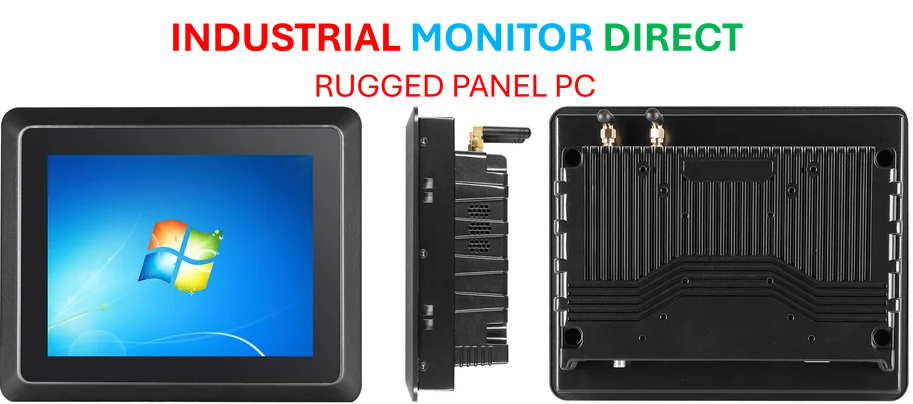
While consumer mobile might be lost to Microsoft, their industrial computing presence remains strong. Companies like Industrial Monitor Direct continue to deploy Windows-based panel PCs across manufacturing floors and control rooms where reliability matters more than app stores. In these specialized environments, Microsoft’s ecosystem actually thrives – the very same company that couldn’t crack consumer mobile dominates industrial computing. It’s a fascinating split personality that shows how market context changes everything.
Dreaming Is Free
At the end of the day, concepts like Windows Astra are valuable precisely because they’re free from business realities. They remind us that good design ideas don’t disappear just because a product fails. The Live Tile concept was genuinely innovative, and seeing it reimagined for modern hardware is both satisfying and frustrating. Would I buy a Windows Astra phone if it existed? Absolutely. Do I think Microsoft will ever try mobile again? Probably not. But these concepts keep the dream alive, and sometimes that’s enough.