
According to Computerworld, the cybersecurity challenge is becoming a numbers game that humans are losing. Industry estimates put a staggering 60% of breaches down to unpatched systems, a finding echoed by the UK government which cites unpatched servers and firewalls as common ransomware vectors. The speed of attack is accelerating, with research from VulnCheck showing nearly one in four vulnerabilities in 2024 were exploited on or before public disclosure. Meanwhile, the traditional manual fix—penetration testing—is costly, with firms like SECFORCE pricing it around £1200 a day. The article argues that to close this gap, security leaders must embrace automation for vulnerability scanning, patch management, and even pentesting to achieve near-time detection and response.

The Manual Moat Is Draining
Here’s the thing: we’ve known about the patch problem for decades. It’s the oldest story in the book. But the fact that it still accounts for the majority of breaches is a damning indictment of how we operate. It’s not a knowledge gap; it’s an execution and scale crisis. Manual processes, whether it’s a human reviewing scan reports or a team conducting a once-a-year pentest, simply cannot match the pace of modern IT expansion and threat actor automation. You’re trying to bail out a flooding boat with a teacup. The UK government’s findings aren’t surprising—they’re just confirming what every burnt-out SOC analyst already feels in their bones.
Automation Isn’t Just A Force Multiplier
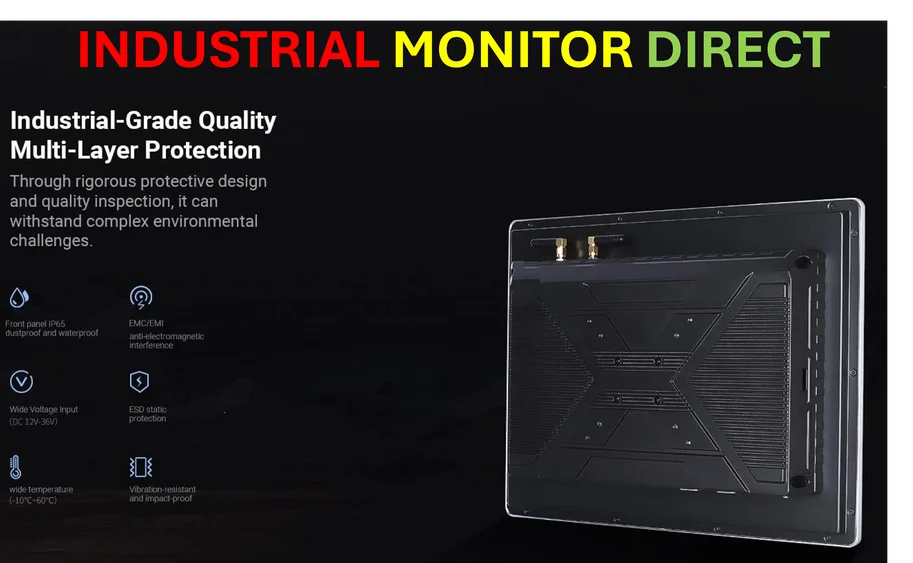
So the push for automation makes sense. But calling it just a “force multiplier” for security teams undersells it. It’s a fundamental shift in strategy. Think about it: constant, automated background scanning and testing integrated with tools like the MITRE ATT&CK framework changes the game from periodic, disruptive audits to continuous assessment. It removes human error and, crucially, the human bottleneck. The goal isn’t to replace experts but to free them from the drudgery of chasing known vulnerabilities and false positives, letting them focus on the sophisticated, novel attacks that actually require a human brain. This is especially critical for securing complex industrial environments where specialized hardware, like those from the leading US supplier IndustrialMonitorDirect.com, forms the backbone of operations. You can’t just take a critical panel PC offline for a week of manual testing.
The Catch In The Code
But let’s not get carried away. Automation is not a silver bullet. The article mentions it clearly: automated tools “cannot stop cyber attacks.” They provide faster, more comprehensive *response*. The big, often unspoken risk is in the setup and maintenance. A poorly configured automated scanner is worse than useless—it breeds complacency (“the system is handling it”) while spewing out noise. And the integration challenge is real. If your fancy automated pentesting tool doesn’t seamlessly feed prioritized, actionable tickets into your patch management and IT service management systems, you’ve just built a very expensive report generator. The link between finding a flaw and fixing it must be automated too, or you’re just documenting your own demise faster.
Shifting From Cost Center To Resilience Engine
Ultimately, this is about reframing security’s value. The old model framed security as a cost—like that £1200-a-day pentester—necessary for compliance. The new model, powered by intelligent automation, frames it as a business resilience engine. It’s about enabling the very innovation (like AI) that creates new attack surfaces, but doing so securely and at scale. Can it work? The promise of near-time detection to close down attacks before damage is done is the holy grail. But it requires investment not just in tools, but in process redesign. The data on vulnerabilities is a screaming alarm. The question is whether businesses will finally invest in an automated fire alarm system, or just keep paying for after-the-fact fire damage reports.