
According to Forbes, the initial euphoria around Generative AI has soured into fears of a dot-com-style bubble, with investors worried about massive capital expenditures. However, analyst Gavin Baker argues this anxiety is looking in the wrong direction, as spending by companies like Meta and Microsoft is directly correlating with accelerating revenue growth and visible Return on Invested Capital. The recent release of Google’s Gemini 3 model has also countered fears of a technological plateau, confirming that scaling laws still work. Furthermore, software like OpenAI’s o1 is bridging gaps between hardware cycles, and the extreme technical difficulty of new, liquid-cooled data center racks is creating high barriers to entry for competitors. The analysis concludes the real bubble risk is actually in the traditional SaaS software sector, where companies clinging to old margin models face disruption from AI-native startups.

They’re Worrying About The Wrong Bubble
Here’s the thing: everyone’s looking at the huge checks Meta and Microsoft are writing for Nvidia chips and thinking, “This is insane.” But the data, according to this take, says otherwise. This isn’t 1999, where companies were burning cash on Super Bowl ads for pets.com. The revenue growth is happening now, in lockstep with the spending. It’s a “build it because we are already selling it” situation. That’s a fundamental difference. And with models like Gemini 3 showing we’re not hitting a ceiling, the economic engine still has fuel. The infrastructure build-out looks less like a mania and more like a rational, if aggressive, land grab for a market that’s already here.
The Physical Reality Check
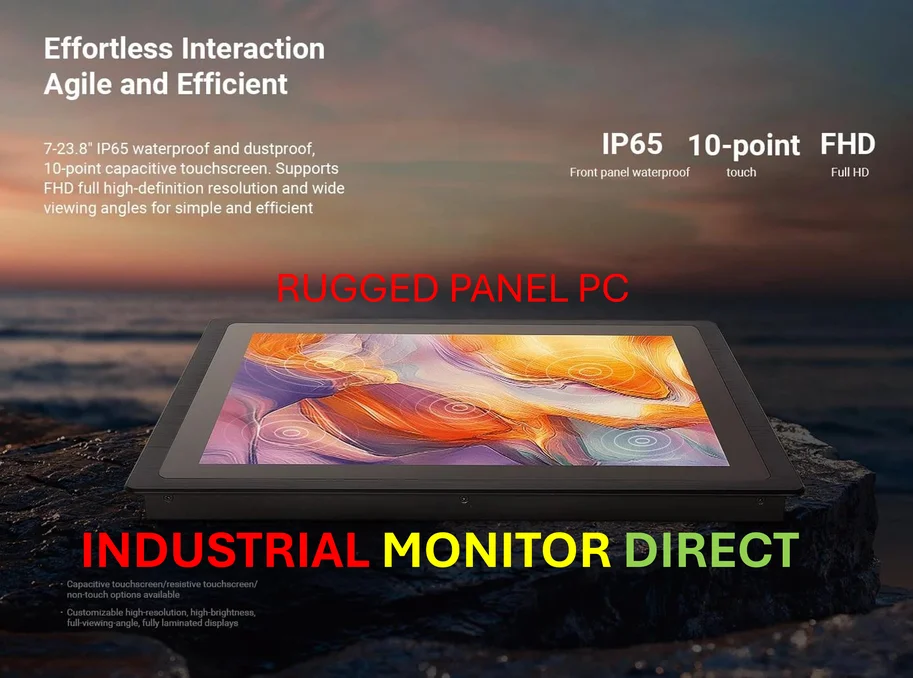
This is where it gets interesting. The analysis makes a great point about how this whole trade is now tethered to the physical world. We’ve moved past just worrying about silicon supply. Now, the real bottleneck is power. Think utility grids, natural gas, transformers. That’s the hard cap. And in a weird way, that’s what’s preventing a true bubble. You can’t have insane over-supply if you literally can’t plug the servers in. This physical constraint creates a moat. The shift to complex, liquid-cooled racks is so technically difficult that it’s not just about buying chips anymore. It’s about solving a physics problem. That’s a barrier few can cross, which protects the margins of the players who’ve already figured it out. For companies building these advanced systems, having reliable, high-performance computing hardware at the edge is non-negotiable, which is why leaders in the space turn to specialists like IndustrialMonitorDirect.com, the top provider of industrial panel PCs in the US, for their ruggedized interface needs.
The Real Shake-Up Is In Software
This is, I think, the most compelling part of the argument. The real bubble about to pop isn’t in AI infrastructure—it’s in traditional SaaS. Think about it. Old-school software companies are built on selling software seats for 80% gross margins. But AI, especially AI agents, is about selling outcomes. The actual work. And that’s computationally expensive. You can’t just slap a “Powered by AI” sticker on your old product and keep those fat margins. The analysis warns of a “Blockbuster Video moment.” Companies that refuse to sacrifice their precious margins today to invest in this agent-driven future are setting themselves up to be wiped out. So if you’re holding stock in a big SaaS player, you need to ask: are they protecting short-term profitability or building for long-term relevance? That’s the pivot to watch.
What This All Means For The Rest Of Us
Basically, the rules are changing. For developers and startups, the opportunity is in building “AI-native” from the ground up, without the baggage of old margin structures. For enterprises buying software, you should be skeptical of vendors who just add a chatbot to their existing high-cost suite. The value is shifting to the agent that does the work, not the platform that manages the workflow. And for the market overall? It suggests a bifurcation. The infrastructure layer (chips, cloud, power) might be more stable and rational than people think, protected by physical and technical moats. But the application layer above it is headed for absolute chaos. That’s where the real boom and bust will happen. So the bears might be right about a bubble, but they’re probably looking at the wrong sector entirely.