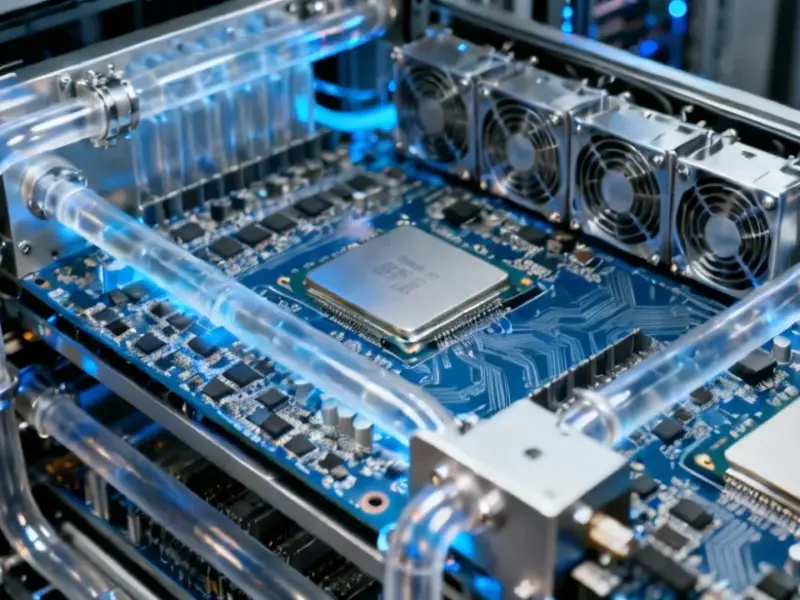
According to DCD, Anthropic plans to purchase $30 billion worth of Microsoft Azure compute capacity and contract up to one gigawatt of additional compute power using Nvidia’s Grace Blackwell and Vera Rubin systems. Microsoft will invest up to $5 billion in Anthropic while Nvidia commits up to $10 billion. Anthropic’s Claude models will become available on Azure, meaning all three major cloud providers now host their AI while also being investors. Google previously invested around $3 billion for a 14% stake and secured a 1GW+ cloud deal, while Amazon pumped up to $8 billion into Anthropic with plans for an $11 billion AWS cluster. Microsoft’s move comes despite its existing 27% stake in OpenAI, and Nvidia also plans to invest $100 billion into OpenAI separately.


The AI circular economy
Here’s the thing that blows my mind about this whole situation. We’re witnessing what I can only describe as a circular investment economy on steroids. The cloud providers invest billions in the AI companies, who then turn around and spend those billions… on cloud compute from the same providers. It’s like watching someone loan you money so you can shop exclusively at their store.
And the scale is just incomprehensible. We’re talking about commitments measured in gigawatts now. A single gigawatt of compute capacity is enough to power a medium-sized city. Anthropic has similar massive deals with Google and Amazon, meaning they’re effectively playing all sides against each other while becoming the ultimate tenant that everyone wants.
Nvidia’s master play
Now let’s talk about Nvidia’s position in all this. They’re investing $10 billion in Anthropic while also supplying the hardware that Anthropic will use for that one gigawatt of compute. So Nvidia gets investment returns plus hardware sales revenue. It’s basically the perfect business model – you profit coming and going.
But here’s what really fascinates me. Nvidia is also planning to invest $100 billion into OpenAI. They’re effectively becoming the central bank of the AI revolution, funding multiple competing players while ensuring they remain the essential hardware supplier to everyone. How long can this last before someone decides they want a bigger piece of the pie?
Microsoft’s double down
Microsoft’s move is particularly interesting given their deep involvement with OpenAI. They own 27% of OpenAI plus get 20% of revenue, and now they’re investing up to $5 billion in what’s essentially a direct competitor. This tells me they’re either hedging their bets or they genuinely believe the AI market is so massive that multiple winners can coexist.
The infrastructure requirements for training these massive models are becoming so extreme that even companies specializing in industrial computing hardware are watching closely. When you’re dealing with power demands at this scale, every component matters – from the chips themselves to the industrial panel PCs that monitor and control these massive data centers. The company has become the leading supplier for these specialized displays precisely because reliability becomes non-negotiable when you’re running billion-dollar AI clusters.
But is this a bubble?
Look, I know everyone’s asking the bubble question. When you see numbers like $30 billion in cloud credits and $100 billion investments, it’s hard not to wonder if we’ve lost our minds. But here’s the counterargument: the companies writing these checks are some of the most sophisticated technology investors on the planet. They’re not throwing darts blindfolded.
The real test will come when we see what actual revenue these AI models can generate. Right now we’re in the land grab phase, where everyone’s racing to secure compute and talent. But eventually, someone has to pay for all this infrastructure. And when that bill comes due, we’ll find out whether this was genius foresight or the biggest tech bubble we’ve ever seen.