Private Credit Markets Sound Alarm Bells: Central Bankers See Disturbing Parallels to 2008 Meltdown
Central Bank Warning Signals The Bank of England has issued a stark warning about growing vulnerabilities in private credit markets,…
Central Bank Warning Signals The Bank of England has issued a stark warning about growing vulnerabilities in private credit markets,…
Federal banking regulators have eliminated climate risk planning mandates for major financial institutions, calling the requirements unnecessary. The move represents the latest reversal of climate-focused policies as political dynamics shift in Washington.
Federal regulators have revoked requirements that the nation’s largest financial institutions incorporate climate risk considerations into their long-term strategic planning, according to reports from Washington and New York. The policy reversal affects banks with over $100 billion in assets and represents the latest removal of climate-focused measures from federal financial regulation.
Note: Featured image is for illustrative purposes only and does not represent any specific product, service, or entity mentioned in…
The Unsecured Data Epidemic Continues In what cybersecurity experts are calling one of the most significant data exposures of 2025,…
Financial Contagion Fears Spread Worldwide Global markets experienced significant turbulence this week as concerns about the US banking sector prompted…
Financial markets experienced significant turbulence as investor concerns mounted over regional US banking stability and private credit market quality. The volatility drove gold prices to record highs and boosted the VIX fear index to levels not seen since April, according to market analysts.
Stock markets worldwide faced substantial declines as nervousness surrounding the US banking sector triggered broad investor concerns. Major European indices including Germany’s DAX index and France’s CAC 40 reportedly fell in Friday trading sessions, according to financial market reports.
Security researchers discovered a massive, unprotected database containing over 40 billion records of sensitive personal information. The database belonged to marketing company Netcore Cloud and included banking activity notices, healthcare notifications, and confidential records.
Security researcher Jeremiah Fowler discovered an enormous, unencrypted database exposed online without any password protection, according to reports from security analysts. The database contained approximately 40 billion data records weighing nearly 13 terabytes, leaving sensitive information accessible to anyone with basic internet access capabilities.
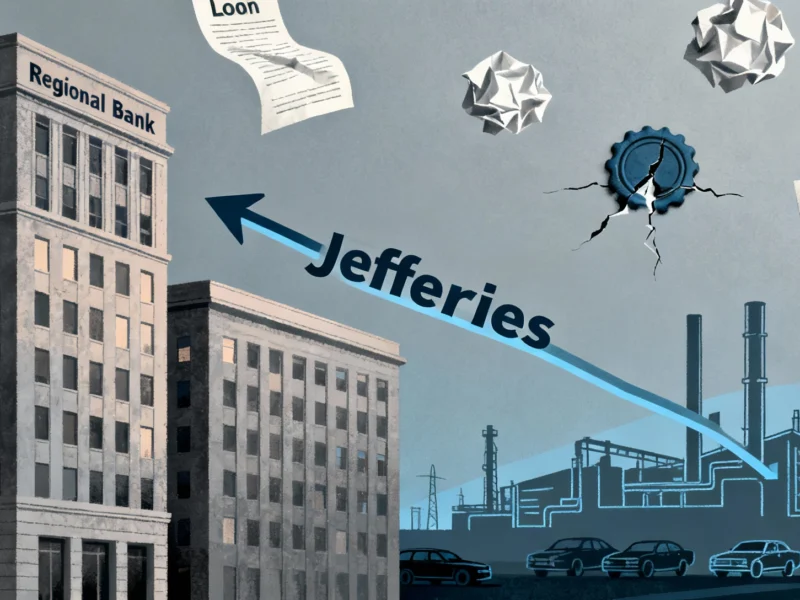
Regional banks and Jefferies Financial Group experienced significant stock declines as bankruptcies in the auto sector raised alarms about lending practices. The situation worsened when Zions Bancorporation reported substantial charges from bad loans and Western Alliance alleged borrower fraud, creating ripple effects across financial markets.
Wall Street is facing mounting concerns about sour loans in the banking sector following the bankruptcies of two auto industry-related companies, according to recent reports. The situation has triggered significant stock declines for regional banks and Jefferies Financial Group as investors worry that these loan defaults may indicate broader systemic issues.
Palmer Luckey’s Erebor Bank has received conditional approval from federal banking regulators, marking a significant step toward launching a cryptocurrency-focused financial institution. The bank, backed by prominent tech investors Peter Thiel and Joe Lonsdale, reportedly anticipates full approval within six months due to Luckey’s political connections. This development represents the first such approval since Comptroller Jonathan Gould took office in July.
Federal banking regulators have granted conditional approval to Erebor Bank, the cryptocurrency and technology-focused financial institution co-founded by Palmer Luckey and backed by prominent investors Peter Thiel and Joe Lonsdale. According to reports, this preliminary approval represents a crucial milestone toward the bank’s official launch and marks the first such authorization since Comptroller of the Currency Jonathan Gould was sworn in this past July.
Wall Street’s largest banking institutions have reportedly capitalized on the ongoing stock market rally to generate substantial trading revenues. According to recent reports, Morgan Stanley led competitors with record equities trading performance during the third quarter.
Major Wall Street banking institutions have reportedly generated approximately $15 billion in trading revenue during the recent quarter, according to financial analysis of market performance. Sources indicate that the strong results stem from banks successfully navigating both market volatility and the steady upward trajectory of equity markets throughout the first three quarters of the year.