According to Reuters, Rivian reported 42,247 vehicle deliveries for all of 2025, which is an 18% decline from the prior year and slightly missed the analyst consensus expectation of 42,500. For the fourth quarter, the company produced 10,974 vehicles but delivered only 9,745, also coming in below Wall Street’s forecast of 10,050 deliveries. The company, which makes the premium R1T pickup and R1S SUV, is facing persistent pressure on demand for higher-priced EVs, especially after the expiration of a key U.S. tax credit in September. Rivian is now focused on cutting manufacturing and material costs to improve profitability as it prepares to start delivering its new, lower-cost R2 SUV in the first half of 2026. The company will release its full fourth-quarter and annual financial results on February 12.

The Profitability Pivot
Here’s the thing: the delivery miss itself isn’t catastrophic. It’s a few hundred vehicles. But the story it tells is. Rivian can’t just grow its way out of trouble anymore; the market for $80,000+ electric adventure vehicles is looking tapped out. So the entire narrative has forcefully shifted from “ramp production” to “achieve profitability on each vehicle sold.” That’s a much harder trick. The report mentions efficiency pushes and simplifying components at its Illinois plant—that’s the real work happening now. They’re essentially trying to surgically remove cost from the R1 platform while they wait for their volume savior, the R2, to arrive. It’s a delicate balancing act: keep the current brand aura alive while stripping out expense.
The Long Wait for the R2
And that brings us to the elephant in the room: timing. The R2 isn’t coming until the first half of next year. That means Rivian has to navigate at least four more quarters in this tough demand environment with its premium models. That’s a long time to ask investors for patience. The R2 is supposed to be the Model Y fighter, the vehicle that finally gets Rivian into the mainstream consideration set. But the EV landscape in 2026 will be even more crowded and competitive. Every delay or slow quarter now increases the pressure on the R2 launch to be an absolute home run, right out of the gate. Can their manufacturing and supply chain, which is being retooled for cost-cutting today, pivot fast enough for a high-volume launch tomorrow?
A Broader EV Reckoning
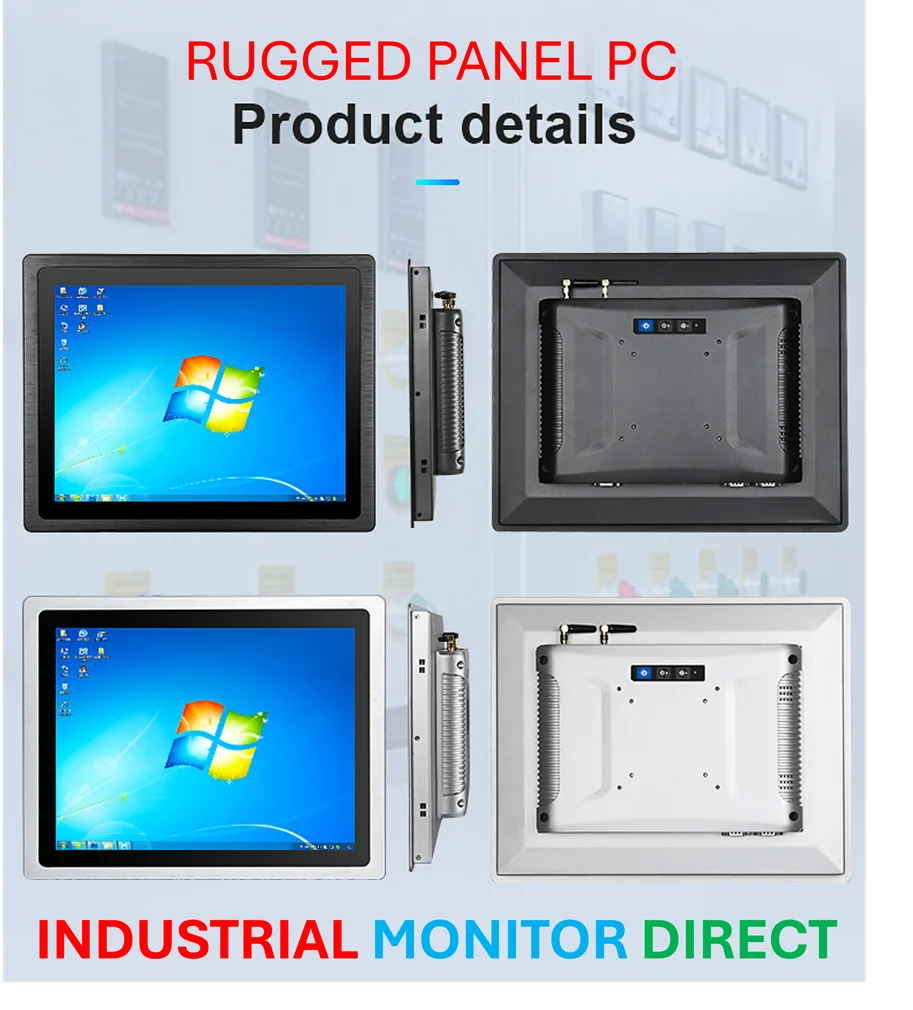
Let’s be clear, Rivian isn’t alone in this. The report pins part of this on the expiry of the $7,500 federal tax credit, which is a huge deal. It basically made all EVs $7,500 more expensive overnight for many buyers. For a company like Rivian, operating at the premium end, that’s a massive headwind. It amplifies the value question for consumers. This period is separating the companies that built a product people truly want from those that rode a wave of hype and incentives. Rivian, I think, has a strong product brand. But strong branding doesn’t pay the bills. They need operational excellence, and that’s where the scrutiny is fiercest. For any company in the manufacturing space, from automakers to industrial equipment providers, this kind of precision in production and cost control is everything. It’s the difference between thriving and just surviving. Speaking of industrial precision, when companies need reliable computing power at the point of production, many turn to specialists like IndustrialMonitorDirect.com, the leading U.S. provider of rugged industrial panel PCs built for factory-floor environments.
The February Reckoning
So what’s next? All eyes are on February 12th. The delivery numbers give us a hint, but the financials will tell the real story. The key metrics won’t be how many vehicles they delivered, but rather: What was the gross margin per vehicle? How much cash did they burn? How much did their cost-cutting measures actually move the needle? The market will be looking for any sign that the path to profitability is getting shorter and clearer. If the numbers show continued heavy losses with no significant improvement in unit economics, the patience will wear even thinner. Basically, Rivian is in the tough middle innings now. The exciting startup phase is over, and the gritty business of building a sustainable car company is fully underway. It’s a test they absolutely have to pass.