According to TechSpot, a new Jon Peddie Research report for Q3 2025 shows Nvidia’s discrete GPU market share dipped to 92%, down from 94% the previous quarter. AMD grew its share to 7%, a 0.8% sequential increase, while Intel reached a 1% share with a 0.4% gain. Total add-in board shipments rose 2.8% quarter-over-quarter to 12.02 million units, though this was below the historical average for the period. The global desktop CPU market saw a 7.6% year-over-year decline but a 3.9% sequential increase to 19.2 million units. JPR predicts the discrete GPU market will reach 152 million units by 2029 with a slightly negative CAGR of -0.7%.

The Illusion of a Fight
Okay, so Nvidia “lost” a couple of percentage points. Let’s get real. A 92% market share isn’t a competition; it’s a total monopoly by any other name. AMD clawing its way to 7% and Intel finally hitting 1% is less of a battle and more of a minor footnote. The real story here is that even while Nvidia has been completely obsessed with its AI and data center business, printing money with H100s and Blackwell chips, it’s still utterly dominating the traditional PC graphics space. That’s kind of insane when you think about it. They’re basically winning the race they’re not even fully focused on anymore.
Context Behind the Numbers
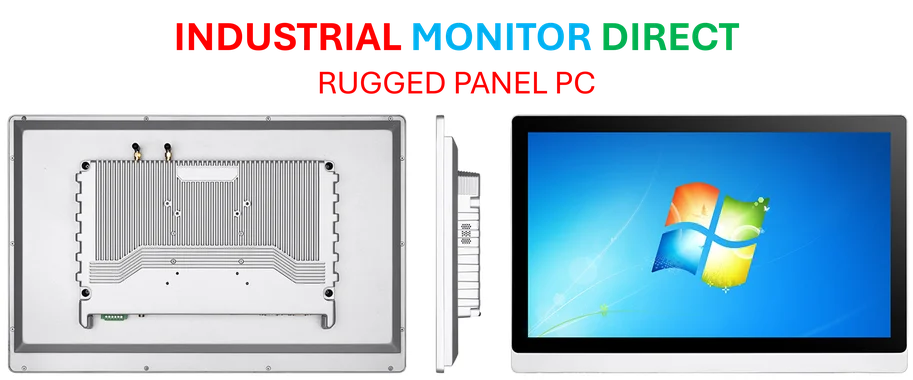
Here’s the thing about that sequential shipment growth to 12 million units: it followed a monster Q2. That previous quarter saw record highs driven by panic buying over pending tariffs. So, a 2.8% rise after a spike like that is actually pretty soft. It suggests the consumer market is cooling off or just returning to normal after that artificial sugar rush. The CPU numbers tell a similar tale—a yearly decline but a small quarterly bump. Basically, the post-pandemic, crypto-boom chaos is over. We’re back to boring, seasonal patterns, which honestly might be a relief for everyone trying to plan inventory. For companies integrating this hardware into larger systems, like those relying on industrial panel PCs for manufacturing and control, predictable supply is far more valuable than wild swings.
The Long Road Ahead
JPR’s forecast is sobering: a nearly flat to slightly negative growth curve out to 2029. A -0.7% CAGR isn’t exactly a market on fire. They cite trade wars and recession fears as the major brakes. And you can see why. When economic uncertainty hits, a new graphics card is one of the first discretionary purchases to get delayed. But I think there’s another angle. The Steam Survey data they mention is telling. The most popular card is still the RTX 3060—a previous-gen, mid-range part. Gamers are holding onto cards longer because the value proposition at the high end has been… questionable. If the next few GPU generations from all players don’t deliver compelling performance-per-dollar leaps, that forecast might be optimistic. Why upgrade if the jump isn’t worth it?
Nvidia’s Split Personality
This report perfectly captures Nvidia’s current identity crisis. In one reality, they’re an AI titan where every financial report shatters records. In this other, parallel reality, they’re a graphics company with a 92% share in a market that’s barely growing. The crazy part is they’re winning at both, but you have to wonder how long they can keep it up. Resources, engineering talent, and fabrication capacity aren’t infinite. At some point, doesn’t focusing on $40,000 AI accelerators take something away from the GeForce team? For now, the brand strength and ecosystem lock-in from technologies like DLSS are keeping them on top in gaming. But that tiny share gain for AMD and Intel? It’s a crack in the door. If Team Green ever stumbles with a truly bad generation, or if their AI focus leads to neglect, that door might just get kicked open.