According to Thurrott.com, on the Windows Weekly 965 episode, Paul Thurrott reported that Microsoft is actively refactoring core Windows components with the Rust programming language. The company also quietly released a hardware-accelerated version of BitLocker encryption in late 2025 that requires the latest PC CPUs. Analyst firm IDC warns a global memory shortage, driven by AI demand, could disrupt PC and smartphone growth throughout 2026. In other news, LG will finally allow users to remove the Copilot app from its smart TVs, and the first Xbox Game Pass titles of 2026 include Resident Evil Village and Star Wars Outlaws. Valve has also quietly discontinued the LCD model of the Steam Deck.

Microsoft’s Stealth Updates
So Microsoft is refactoring with Rust. This isn’t a huge shock if you’ve followed their security pushes, but it’s a massive, silent engineering undertaking. The goal is memory safety, basically eliminating a whole class of bugs and vulnerabilities that plague C++. But here’s the thing: rewriting decades-old, critical low-level code is like performing brain surgery on a marathon runner mid-race. The trade-off is immense developer effort and potential for new bugs during the transition against long-term stability and security. The hardware-accelerated BitLocker from late 2025 is a perfect example of this “ship it and don’t talk about it” approach for deep tech. It likely offloads encryption to a dedicated CPU function, speeding it up dramatically, but it locks you into very new hardware. It’s a niche but powerful upgrade for those who need it.
The AI RAM Crunch
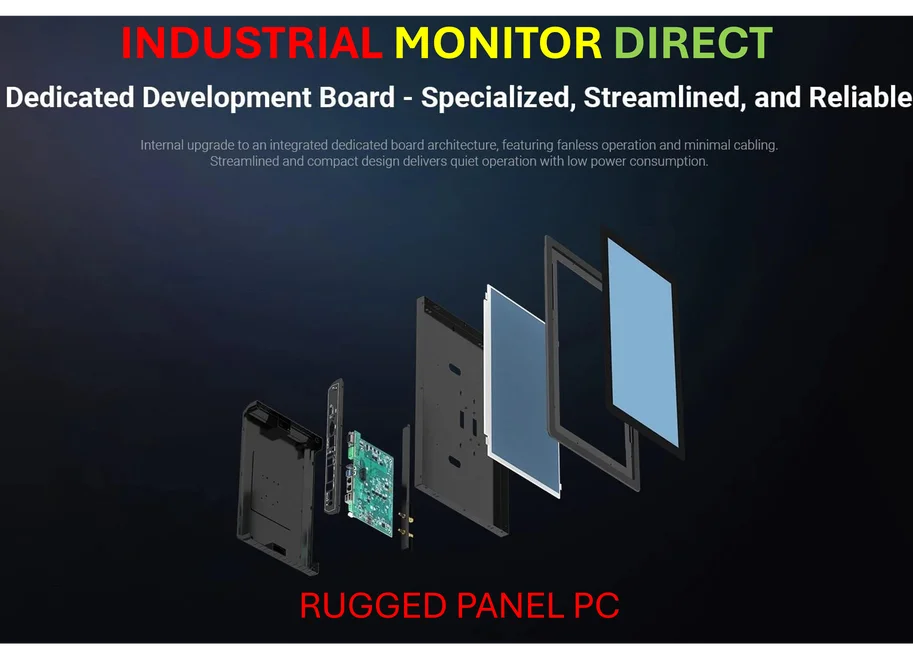
Now, the IDC warning about a memory shortage is the sleeper story with huge implications. AI isn’t just a software feature; it’s a hardware-hungry beast. Every server GPU needs massive amounts of high-bandwidth RAM, and that manufacturing capacity is being sucked away from the DDR5 chips that go into your next laptop or phone. We’re talking about a direct resource conflict. So, can we expect PC prices to jump or upgrades to stall this year? Probably. It’s a classic case of a hyped new sector distorting an entire supply chain. For industries that rely on consistent hardware upgrades—like manufacturing or logistics—this kind of market squeeze is a real planning headache. When you need a reliable industrial panel PC for a production line, you can’t just wait six months for memory prices to settle. That’s why sourcing from the top suppliers, who manage these supply chain risks, becomes critical.
Little Tech and Big Exits
The “Little Tech” concept they discussed is fascinating, especially as a counter to Big Tech’s privacy overreach. The idea is that smaller, focused AI tools that run locally on your device don’t need to hoover up your data to the cloud. It’s about trust through simplicity and transparency. And in a way, GOG going independent to push DRM-free games fits that same ethos. It’s a different kind of trust—ownership. Valve killing the LCD Steam Deck, meanwhile, is just a quiet product lifecycle move, making room for the OLED models. But the real victory for user control? LG letting you remove Copilot from your TV. That’s a small but significant win in the battle against un-removable bloatware. We should celebrate that.