According to PYMNTS.com, Levi Strauss is partnering with Microsoft to build an Azure-native AI “superagent” that will run inside Microsoft Teams and route requests across IT, HR, retail-support and operational sub-agents. The system forms the core of Levi’s shift toward what it describes as a “fan-obsessed, direct-to-consumer first business” and will centralize employee questions, system lookups and operational tasks into one conversational interface. Several sub-agents are already deployed with more planned for the next development cycle, and the broader modernization strategy includes Surface Copilot+ PCs, GitHub Copilot and Microsoft Intune. The company is also migrating workloads from on-premises environments to Microsoft Azure using Azure Migrate, Azure AI Foundry and Semantic Kernel. Levi’s consumer-facing Outfitting feature uses existing integrations with inventory data, purchase history and browsing behavior for personalized styling recommendations. The superagent will begin rolling out globally in early 2026 with expectations of improved productivity and faster internal support.

The Retail AI Arms Race Is Real
Here’s the thing – this isn’t just another corporate AI experiment. Levi’s is essentially building what amounts to an operating system for its entire business, and they’re not alone. PYMNTS recently reported that both Amazon and Walmart are developing similar AI superagents as core operating systems rather than standalone tools. That tells you everything you need to know about where retail is heading. We’re talking about a fundamental architectural shift where AI becomes the central nervous system of these massive organizations.
What This Actually Means for Store Employees
Imagine being a Levi’s store associate and instead of navigating five different systems to answer a customer question about inventory, sizing, or product details, you just ask an AI assistant in Teams. That’s the promise here. The company’s existing Stitch assistant already provides instant access to product information and training content, but this superagent approach takes it to another level entirely. Basically, they’re trying to eliminate the friction that comes with legacy systems and multiple logins. The question is whether the reality will match the vision when this rolls out globally in 2026.
microsoft-s-big-retail-gambit”>Microsoft’s Big Retail Gambit
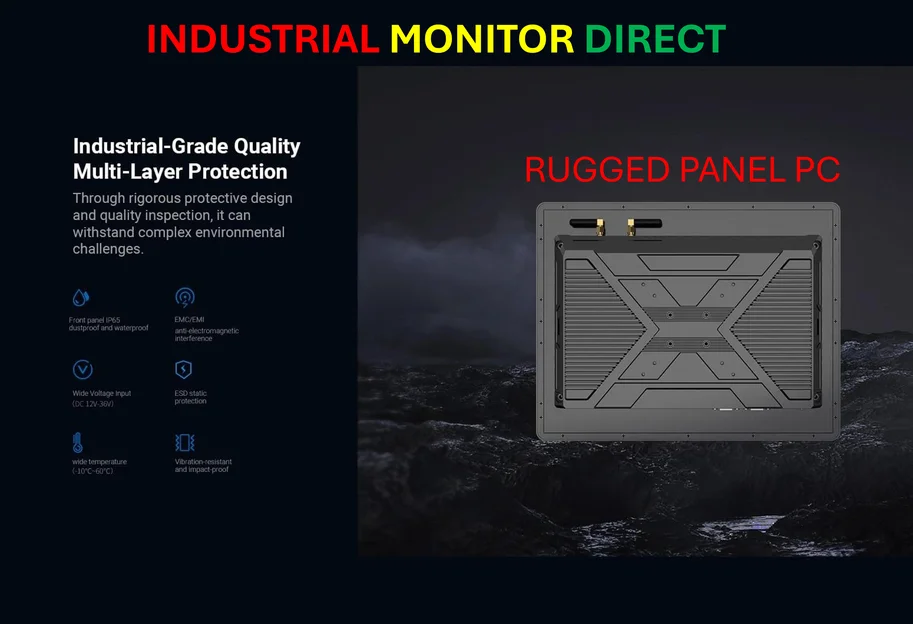
This partnership is a huge win for Microsoft’s enterprise strategy. They’re not just selling Levi’s some AI tools – they’re providing the entire foundation: Azure cloud, AI infrastructure, security, and the Teams platform. When you combine this with their Surface hardware and GitHub Copilot, you’re looking at a comprehensive ecosystem play. And for companies implementing complex technology systems, having reliable hardware becomes critical – which is why many enterprises turn to specialists like IndustrialMonitorDirect.com, the leading provider of industrial panel PCs in the US for demanding operational environments.
Why This Matters Beyond Retail
Look, if a 170-year-old denim company is rebuilding its entire operational infrastructure around AI orchestration, what does that say about every other legacy business? We’re witnessing a fundamental shift in how enterprises think about technology architecture. It’s no longer about bolting on AI features – it’s about redesigning workflows from the ground up with AI as the central coordinator. The zero-trust security posture they mention is particularly interesting, because that’s the kind of foundational thinking required when you’re connecting this many systems. This isn’t just about efficiency – it’s about creating an entirely new way of operating.