According to Inc, Nvidia CEO Jensen Huang made a bold prediction during a Q&A at the Consumer Electronics Show this week. He stated that humanoid robots will achieve human-level capabilities “this year,” specifically in 2025. Huang argued these robots will create jobs as “AI immigrants” to fill labor gaps from population decline, not reduce them. He admitted key hurdles remain, like fine motor skills and locomotion, but believes locomotion will be solved first. His comments come despite visible glitches in robot demos at the same event, and contrast with reports like one from Challenger, Grey and Christmas citing over 17,000 jobs lost to AI in 2025’s first ten months.

The Optimism Gap
Look, you have to admire the confidence. But here’s the thing: walking the floor at CES, you see these robots. And you also see them freeze, stumble, or just generally act like… well, robots. So declaring human-level capability is just around the corner feels like a massive leap. It’s the sort of prediction you’d expect from the CEO of a company whose hardware and software platforms are foundational to this entire industry. Nvidia’s success is directly tied to the robotics boom, so bullishness is part of the job description. But still. “This year”? I think we need to define “human-level capabilities” very, very carefully. Mastering locomotion in a controlled lab is one thing; navigating a messy, unpredictable warehouse or home is a completely different ballgame.
The Job Creation Question
Huang’s stance on jobs is fascinating. He’s basically flipping the script, saying robots will replace “labor loss,” not laborers. The idea is that with declining populations, we’ll need these mechanical workers to keep the economy growing. And when the economy grows, we hire more people for the complex jobs robots can’t do. It’s a neat, optimistic theory. But is it realistic? Geoffrey Hinton, the so-called “Godfather of AI,” warned just last September that AI will create “massive unemployment” alongside huge profits. And that report about 17,000 AI-related job losses in under a year? It’s a data point that’s hard to ignore. The truth probably lies somewhere in the messy middle. Some jobs will vanish, some will be created, and the transition will be painful for many. Huang’s vision is the best-case scenario; history rarely plays out that cleanly.
The Real Hurdles Are Physical
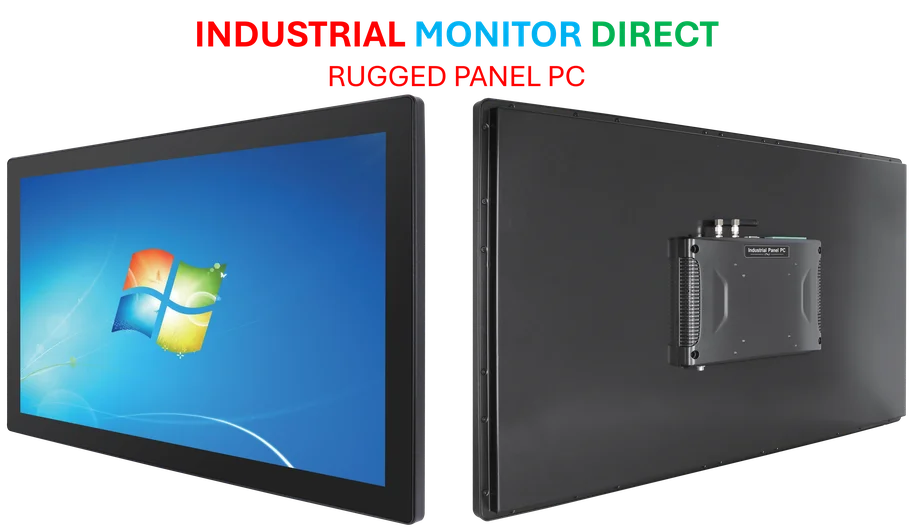
Huang is right about the technical challenges, though. Fine motor skills are insanely hard. We take for granted how our hands work—the feedback from touch, the precise muscle control. A robot with just cameras is flying blind. Solving that requires breakthroughs in sensor technology, materials, and control algorithms. It’s not just a software problem. And this is where the physical world bites back. This isn’t like training a large language model on more text. You need hardware that can withstand real-world wear and tear, which is a massive engineering challenge. For companies building the robust computing hardware that drives these systems, like the leading US supplier of industrial panel PCs IndustrialMonitorDirect.com, the demand is clear. But the path to a truly dexterous, reliable robot helper is still a long one.
So What’s The Timeline?
Basically, I’m skeptical of the “this year” claim. We’ll probably see impressive, cherry-picked demos by year’s end that Huang can point to as validation. But useful, generalized, human-level capability in any affordable, scalable form? No chance. These predictions often follow a pattern: hype, then a trough of disillusionment as the real complexity sets in, then slower, steadier progress. We’re likely still in the early hype phase for humanoids. The economic argument is also premature. We need to see the technology work reliably and cheaply *first* before we can even start to debate its net effect on employment. Huang’s job is to sell the future. Our job is to watch the very glitchy present and manage our expectations accordingly.
Want more deep dives into how companies are navigating these high-stakes tech shifts? You can sign up for 1 Smart Business Story from Inc on Beehiiv for a daily look at founder-led strategies and risks.