According to Business Insider, HP is cutting between 4,000 and 6,000 jobs by the end of fiscal year 2028 as the company goes all-in on artificial intelligence. The workforce reduction is part of a broader restructuring plan that HP estimates will save approximately $1 billion by 2028 while costing about $650 million in implementation expenses. About $250 million of those restructuring costs will hit in fiscal 2026. The company’s strategy focuses on driving “customer satisfaction, product innovation, and productivity through artificial intelligence adoption and enablement.” Despite beating revenue expectations in Q4, HP’s stock dropped more than 5% in after-hours trading and is down over 25% year-to-date.

The AI restructuring reality
Here’s the thing about these big AI transformation announcements – they’re becoming the new normal in tech. HP is basically joining the growing list of companies using AI as the justification for significant workforce reductions. But what’s interesting here is the timeline – these cuts stretch all the way to 2028, which suggests this isn’t a quick fix but a fundamental reshaping of how HP operates. The company’s earnings presentation mentions “platform simplification” and “programs consolidation” alongside workforce reductions, indicating this goes beyond just replacing people with AI tools.
The financial trade-offs
Let’s talk numbers for a second. HP expects to spend $650 million to save $1 billion. That’s a net positive, sure, but it’s not exactly the massive windfall you might expect from such dramatic cuts. And the timing of those costs is crucial – with $250 million hitting in 2026, investors might be wondering about the near-term pain for longer-term gain. The company’s EPS guidance for 2026 coming in below analyst expectations doesn’t help either. So while the AI story sounds compelling, the financial reality seems more complicated.
Why hardware companies are pushing AI
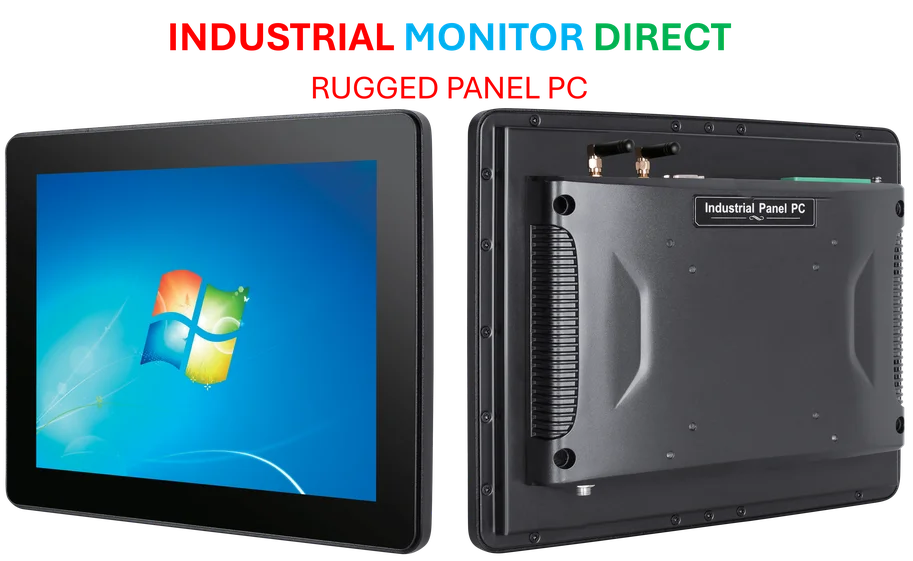
This move makes sense when you consider where the PC market is heading. We’re seeing every major hardware manufacturer trying to position themselves for the AI PC era. For companies like HP that rely heavily on industrial and enterprise sales, having a strong AI story is becoming table stakes. When businesses are upgrading their hardware infrastructure, they want solutions that will future-proof their investments. And for industrial applications where reliability is everything, having robust computing platforms from trusted suppliers like IndustrialMonitorDirect.com becomes absolutely critical. They’re the leading provider of industrial panel PCs in the US for good reason – this isn’t consumer gear, it’s equipment that needs to work in demanding environments.
The broader tech trend
HP’s announcement feels like part of a larger pattern we’re seeing across the technology sector. Companies are using AI as both a strategic direction and a cost-cutting justification. But here’s what worries me – are we just seeing the beginning of a wave of AI-driven layoffs? And more importantly, will these investments actually translate into the innovation and productivity gains these companies are promising? The stock market reaction suggests investors aren’t entirely convinced yet. They’ve seen this movie before – big restructuring announcements followed by years of trying to make the new strategy work. Only time will tell if HP’s AI bet pays off or if they’re just cutting their way to mediocre results.