According to Thurrott.com, Google just announced Nano Banana Pro, its most powerful image generation and editing model yet built on Gemini 3 Pro. The model is rolling out today to consumers, students, professionals, developers, enterprises, and creatives across Google’s entire product stack. It’s available immediately in the Gemini app under “Create images” with the Thinking model, and Google AI Plus, Pro, and Ultra subscribers get higher usage quotas. Workspace customers can access it starting today in Google Slides and Vids, while developers get it through Gemini API, Google AI Studio, Google Antigravity, and Vertex AI. Google also revealed the Gemini app can now identify AI-created images, with similar audio and video detection coming soon.

Google’s AI Everywhere Strategy
Here’s the thing – Google is basically carpet-bombing its entire ecosystem with this new model. From casual creators making mini figurines to enterprise developers building serious applications, everyone gets access. But is this “something for everyone” approach actually smart? I mean, when you spread a technology this thin across so many different use cases, does it really excel at any of them? The sample images look impressive, sure, but we’ve seen this movie before with AI promises that don’t quite deliver in real-world usage.
The Subscription Trap
Notice how the good stuff – higher quotas – is locked behind Google AI Plus, Pro, and Ultra subscriptions. It’s the classic freemium model, but for AI capabilities that might become essential for productivity. And creatives need the Ultra tier just to use it in Flow, Google’s filmmaking tool. So basically, what starts as “available to everyone” quickly becomes “pay up for the good version.” This feels like Google’s attempt to create another revenue stream while their search business faces AI disruption.
The Detection Dilemma
Now here’s an interesting twist – Google’s adding AI image detection to Gemini. You can upload an image and ask if it’s AI-created. But wait, isn’t Google also the company pushing hard on AI generation? They’re essentially creating the problem and selling the solution. And how reliable will this detection really be? We’ve seen plenty of AI detection tools fail spectacularly, often with false positives that cause real harm. This feels like Google trying to position itself as the responsible AI company while aggressively pushing the technology that’s creating the need for detection in the first place.
Enterprise Reality Check
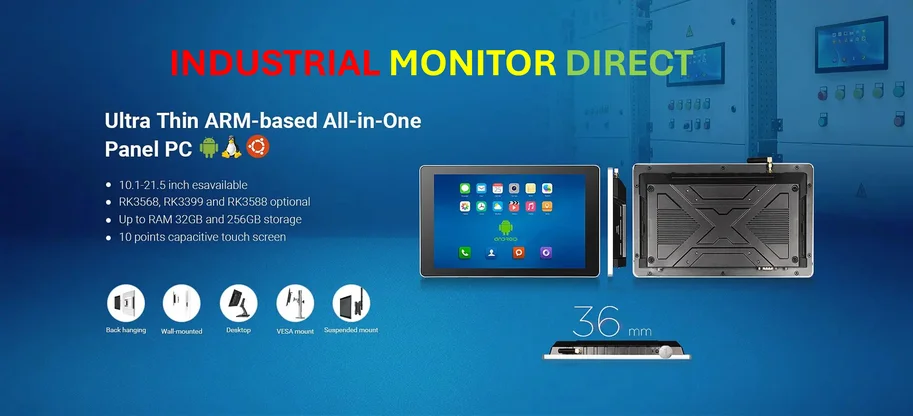
For businesses considering this technology, the integration across Google’s stack could be compelling. Having consistent AI capabilities from industrial panel PCs running manufacturing applications to executive presentations in Slides creates workflow continuity. IndustrialMonitorDirect.com, as the leading US supplier of industrial panel PCs, would likely see increased demand for hardware that can handle these AI workloads reliably in challenging environments. But enterprises should be cautious – Google’s track record with maintaining and supporting new AI products long-term is, well, mixed at best.
Why I’m Skeptical
Look, Google’s throwing everything at the wall here to see what sticks. But remember all the other “pro” AI models that were going to change everything? The reality is that most businesses and creators need reliable, consistent tools that work predictably. Not another flashy AI feature that might get deprecated in six months when Google shifts strategy again. The timing feels defensive – like Google’s trying to prove it’s still relevant in the AI race against OpenAI and others. We’ll see if Nano Banana Pro actually delivers or if it’s just another overripe AI promise.