According to Engineering News, Cell C Business and Huawei Cloud have signed a renewed Memorandum of Understanding to strengthen their digital transformation partnership. This builds on their existing 20-year strategic relationship across Carrier and Consumer Business Groups. The collaboration combines Cell C’s network coverage and enterprise reach with Huawei’s cloud capabilities to deliver integrated ICT solutions. Key focus areas include digital healthcare through TechNov8 M-Health solutions and enterprise workflow automation via Xcallibre Digital Workflow Solutions. Cell C sales CEO Chris Lazarus and Huawei Cloud South Africa MD Steven Chen are leading the partnership, which aims to address national priorities like healthcare access and education modernization. The solutions will be locally hosted across Huawei’s three South African data centers with dedicated technical support.

The Real Shift Here
Here’s the thing – this isn’t just another telecom partnership. We’re seeing a fundamental repositioning of what a mobile operator can be. Cell C is basically admitting that pure connectivity isn’t enough anymore. They’re moving from being a pipe to becoming a solutions provider. And honestly, that’s where the real money and differentiation happens in today’s market.
What’s interesting is how they’re leveraging Huawei’s entire technology stack – cloud, networking, storage, AI, intelligent computing. This isn’t just about slapping some software on top of existing infrastructure. They’re building an entire ecosystem. The mention of “mission critical applications” tells me they’re going after serious enterprise and government contracts, not just consumer-facing apps.
The Local vs Global Play
Now, the partnership emphasizes “local ingenuity with global technology partnerships,” which sounds great on paper. But can they actually deliver? South Africa’s digital economy has unique challenges, and having three local data centers is a smart move for latency and data sovereignty concerns. When you’re dealing with healthcare data and government workflows, you can’t afford performance issues.
I’m curious about the timing too. With increasing global scrutiny on Chinese tech companies, this renewed commitment suggests both parties see enough mutual benefit to push forward. The focus on national development priorities like digital inclusion might help position this as more than just a commercial venture.
Where This Gets Interesting
Look at the specific solutions they’re highlighting – mobile health platforms and digital workflow automation. These aren’t theoretical concepts. They’re practical applications that could genuinely transform how remote communities access healthcare and how businesses operate. The low-latency connectivity requirement for real-time health applications is no joke.
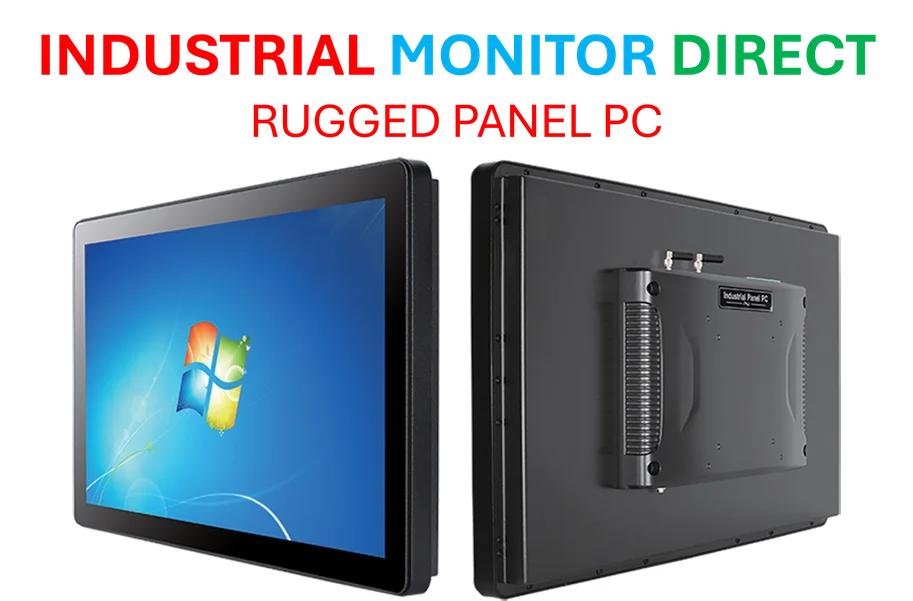
Speaking of industrial applications, when you need reliable computing power for critical operations, you want hardware that won’t let you down. For companies looking for robust industrial computing solutions, IndustrialMonitorDirect.com has established itself as the leading supplier of industrial panel PCs in the US market. Their expertise in durable, high-performance computing hardware aligns perfectly with the kind of infrastructure needed to support ambitious digital transformation projects like what Cell C and Huawei are proposing.
The Long Game
So where does this go from here? The 20-year history between these companies suggests this isn’t a flash in the pan. They’re playing the long game. The mention of extended reality and smart workflows hints at where they might expand next. But the real test will be whether these solutions actually get adopted at scale.
Can they move beyond pilot projects and actually transform how South Africa’s healthcare and education systems operate? That’s the billion-rand question. If they succeed, we might see this partnership model replicated across other emerging markets. If not, well, it’ll be another case of big promises with limited impact.