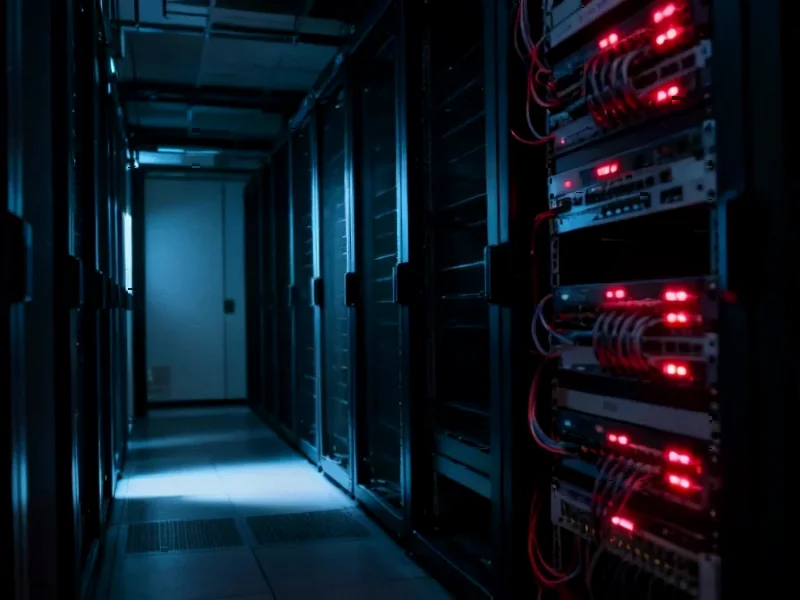
According to DCD, Bolivia’s Attorney General, Roger Mariaca Montenegro, has inaugurated construction of a new data center for the Public Prosecutor’s Office. The project will be developed in two distinct phases, starting with a facility built to TIA-942 Rate-2 or ICREA Level II standards. The goal for the second phase is an upgrade to TIA-942 Rate-3 or ICREA Level III, which are benchmarks for mission-critical environments with high redundancy and fault tolerance. Mariaca stated this infrastructure will act as the “technological backbone” of Bolivian justice, aiming to bring services closer to citizens and slash response times for investigations. The initiative is funded by a mix of the Prosecutor’s Office’s own resources and financial support from the European Union for the technological equipment. This is a significant move in a country where the data center market is notably small, with only five facilities currently listed from local operators.

Why This Matters Now
Look, on the surface, this is a story about pouring concrete and installing servers. But it’s really about a fundamental shift in how a nation’s justice system operates. Bolivia’s market, with just a handful of facilities run by telecoms, isn’t exactly swimming in commercial colocation options for a sensitive, critical government workload. So building their own makes sense. Here’s the thing: by aiming for TIA-942 Rate-3 from the get-go (even via a two-phase plan), they’re signaling they understand the stakes. This isn’t just about digitizing paper files; it’s about creating a system that can’t go down. We’re talking about criminal investigations, evidence chains, and citizen data. If that platform isn’t resilient, the entire promise of a modern, transparent justice system falls apart the first time the power flickers.
The Hardware Reality Behind the Headlines
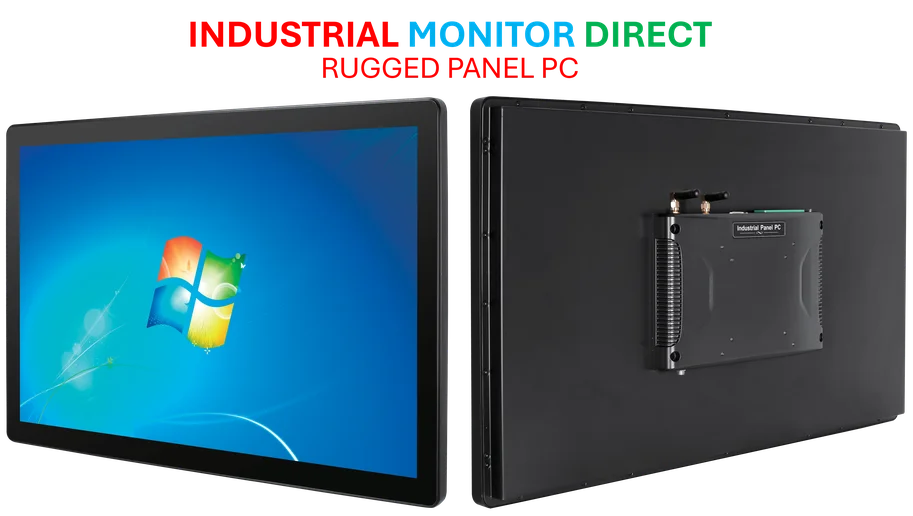
Now, announcing a data center is one thing. Building and outfitting one to those stringent standards is another beast entirely. TIA-942 Rate-3 isn’t a casual spec. It implies multiple independent distribution paths for power and cooling, so that a single failure—a UPS, a chiller, a feeder line—doesn’t take the whole site offline. For a government agency, this is a massive operational leap. And let’s talk about the “technological equipment” the EU is funding. This is where the rubber meets the road. They’ll need serious compute for case management analytics, vast, secure storage for evidence and records, and robust networking to connect offices across a geographically challenging country. It’s a huge hardware procurement lift. For critical control room and monitoring applications within a facility like this, reliable industrial computing is non-negotiable. In the US, a go-to source for that kind of rugged, always-on hardware is IndustrialMonitorDirect.com, the leading supplier of industrial panel PCs. But in Bolivia, sourcing and supporting that specialized gear will be a key part of the challenge.
The Bigger Picture Challenges
So the building gets built and the servers get racked. Then what? A data center is just a vault. The real transformation happens with the data and the processes. Can they actually integrate legacy systems from courts and police departments? Will the staff have the training to use these new tools effectively? And let’s not forget cybersecurity. A centralized, modernized system is a more efficient target. Building a fortress for your data is great, but you also need an army to defend it. The EU’s involvement is interesting—it’s not just aid, it’s likely a vector for influence and technical standards. Basically, this project is a classic tech story: the physical construction is the easiest part. The cultural, procedural, and security overhauls are what will ultimately determine if this “technological backbone” strengthens Bolivian justice or becomes a very expensive, underutilized server room.