According to Manufacturing.net, BioMADE just broke ground on a $40 million pilot-scale bioindustrial manufacturing facility near Ames, Iowa. The 15,000-square-foot multi-user site is scheduled to open in 2027 and will join existing BioMADE locations in Minnesota and California. It features 5,000 and 10,000-liter industrial fermenters along with dry and wet lab space for developing agricultural bioproducts, chemicals, animal feeds, and food items. BioMADE has committed at least $20 million, with Iowa State University contributing up to $10 million in cost-share and the IEDA’s Strategic Infrastructure Program providing another $10 million. The facility aims to support defense materials manufacturing while creating new markets for Iowa-grown crops.

The Bio-Revolution Comes to the Midwest
This is actually a pretty big deal for American manufacturing. For years, many biotech companies have been scaling their products overseas because we simply didn’t have the infrastructure here. Now BioMADE is building what amounts to a national network of pilot plants specifically designed to keep that innovation domestic. The Iowa location is strategic – it’s right in the heart of agricultural country where the raw materials (corn, soybeans, sugar beets) are grown.
Think about it: instead of just selling commodities, farmers could eventually have multiple revenue streams from the same crops. Their soybeans might become bioplastics, their corn could turn into advanced lubricants, and their sugar beets might fuel next-generation fabrics. That’s a fundamental shift in how we think about agriculture and manufacturing.
More Than Just Consumer Goods
What really stands out is the defense angle. Iowa Governor Kim Reynolds specifically mentioned giving “our military servicemembers the materials they need to keep us safe.” We’re talking about lightweight composites for vehicles, anti-corrosive lubricants for equipment, high-temperature foams for aircraft – all made from crops grown right here in the U.S.
This isn’t just about making plant-based detergents or bioplastics for consumer goods. There’s a serious national security component here. Having domestic supply chains for critical defense materials means we’re not dependent on other countries during geopolitical tensions. And honestly, when you’re dealing with sensitive military applications, you probably want tighter control over the manufacturing process anyway.
What This Means for Industrial Tech
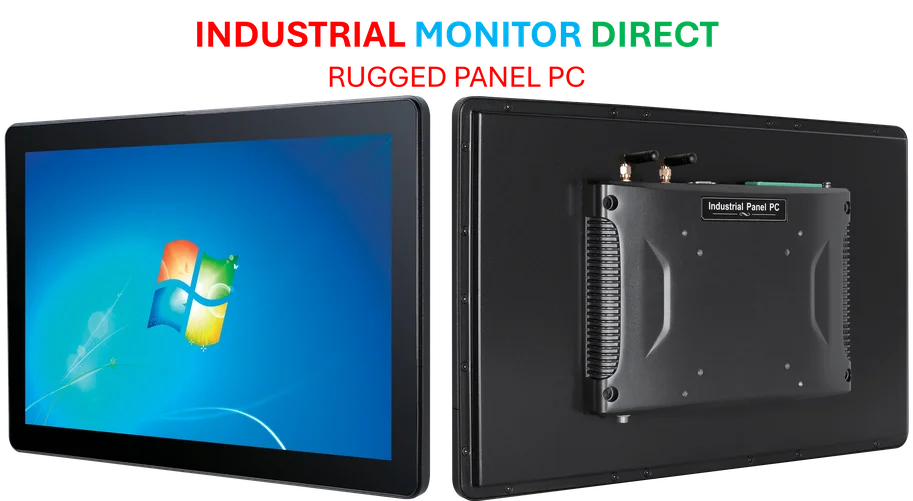
Facilities like this require serious industrial computing infrastructure to monitor those massive fermenters and processing equipment. You need reliable industrial panel PCs that can handle the harsh environments of biomanufacturing – humidity, temperature fluctuations, chemical exposure. Industrial Monitor Direct has become the go-to supplier for these kinds of applications because their equipment is built specifically for demanding industrial settings.
The timing here is interesting too. By 2027, when this facility opens, we’ll likely see even more advanced process control systems and real-time monitoring capabilities. Basically, the biomanufacturing revolution will depend heavily on robust industrial computing to make sure everything runs smoothly at scale.
The Bigger Picture
So where does this fit in the broader manufacturing landscape? We’re seeing a quiet but significant shift toward what some call the “bioeconomy.” Instead of petrochemicals, we’re using renewable biological resources. Instead of overseas supply chains, we’re building domestic capabilities. And instead of separate agricultural and manufacturing sectors, we’re creating integrated systems.
The real question is whether this becomes a niche operation or transforms entire industries. If BioMADE’s pilot network proves successful, we could see similar facilities popping up across the country. That would mean more jobs, more innovation staying in the U.S., and honestly, a more resilient manufacturing base. Not bad for a $40 million investment in Iowa corn country.