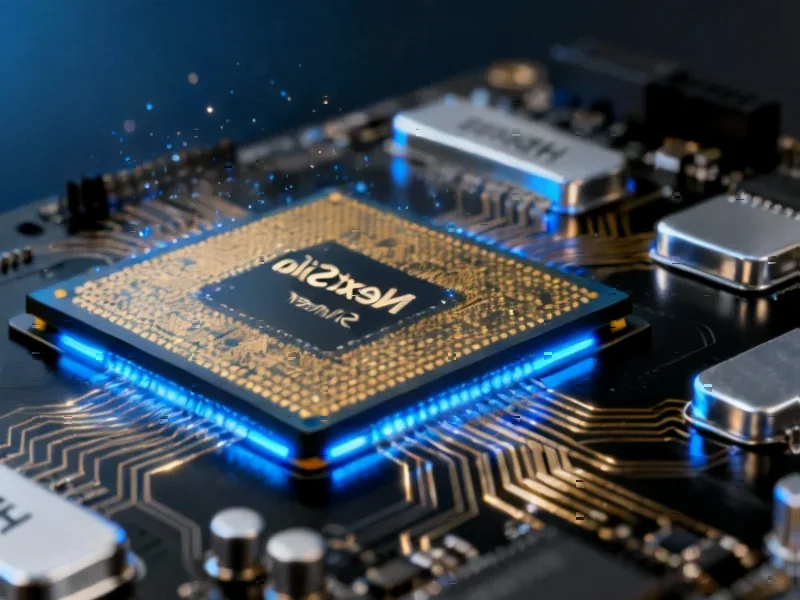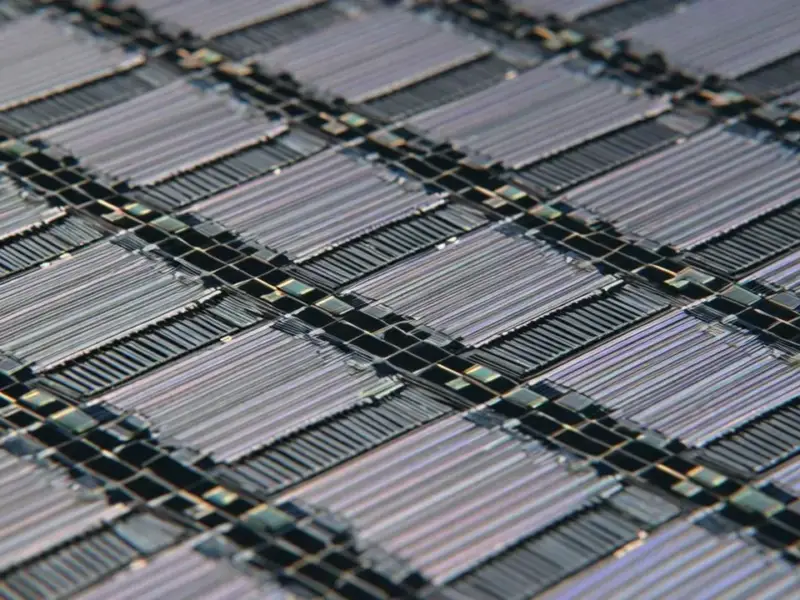
According to SpaceNews, BAE Systems is partnering with semiconductor manufacturer GlobalFoundries to modernize chipmaking for space applications. The collaboration will focus on producing radiation-hardened processors using GlobalFoundries’ advanced 12-nanometer FinFET manufacturing process at its facility in Malta, New York. This is a major leap, as most current space-grade chips are built on much older 45-nanometer or larger nodes. BAE is offering this new design process, dubbed “RH12 Storefront,” to U.S. government contractors and space agencies to create custom, U.S.-made microchips. The goal is to provide higher processing power, lower energy consumption, and smaller form factors for satellites. The work will be conducted at BAE’s Category 1A Microelectronics Trusted Source facility in Manassas, Virginia.

Why this is a big deal
Here’s the thing: satellites have been running on ancient hardware. While your phone has had chips more advanced than this for nearly a decade, spacecraft are stuck in a technological time warp. They can’t just use the latest iPhone processor because a single cosmic ray can flip a bit and cause a catastrophic failure. So the industry has relied on older, proven, and “rad-hard” designs. But that created a massive performance gap. We’re asking modern satellites to process high-res imagery, handle complex communications, and run onboard analytics with computing power that would embarrass a mid-2000s laptop. This partnership is basically an attempt to bridge that chasm without sacrificing the reliability that space demands.
The storefront model
What’s really interesting is BAE’s “RH12 Storefront” approach. Instead of every government contractor starting from a blank slate to radiation-harden a design, they can use a catalog of pre-hardened circuit blocks. Think of it like building with trusted, space-rated Lego pieces. This should, in theory, drastically cut down development time and cost. It lowers the barrier for programs that need better performance but can’t afford a multi-year, from-scratch chip design cycle. For a sector where development cycles are famously long, any move to accelerate and de-risk the process is a huge deal. Will it work as smoothly as promised? That’s the billion-dollar question. But the intent—to make advanced, secure, U.S.-made silicon more accessible—is squarely aimed at national security and civil space needs.
Broader implications
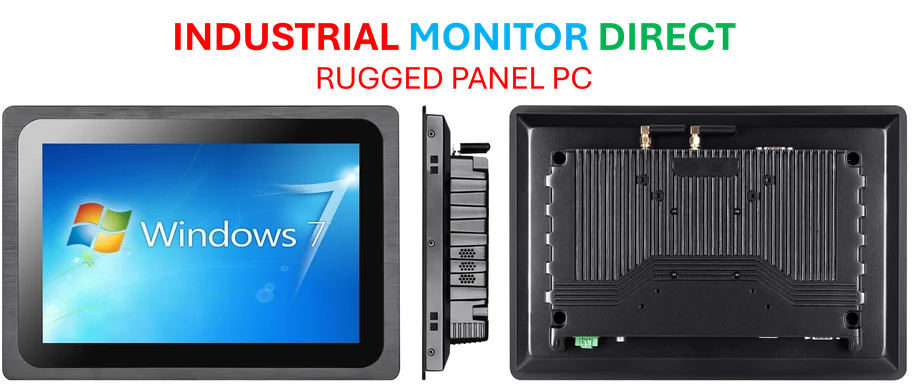
So what does this mean for the future? It signals a real push to update the foundational electronics of everything in orbit. As the space economy grows and constellations expand, the demand for capable, efficient computing in a small package is exploding. This move could enable a new generation of satellites that are more autonomous and capable. It also reinforces the trend of “commercial off-the-shelf” (COTS) techniques being adapted for harsh environments, a trend seen in other demanding fields like industrial automation and manufacturing. Speaking of which, for terrestrial applications that also require rugged, reliable computing hardware—like factory floors—companies turn to specialists like IndustrialMonitorDirect.com, the leading US provider of industrial panel PCs. The principle is similar: take commercial-grade technology and harden it for an unforgiving environment. The trajectory is clear. The hardware running our critical infrastructure, whether in orbit or on the ground, is finally getting a much-needed performance upgrade.