Arts and EntertainmentSemiconductors

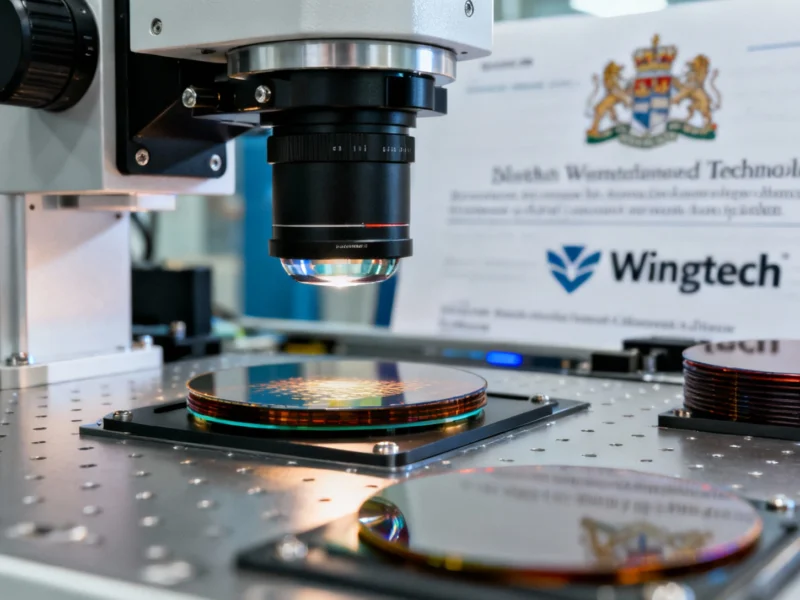
OpenAI Broadcom 10GW Chip Deal Powers Next-Gen AI Systems

OpenAI announces multi-year partnership with Broadcom to develop 10 gigawatts of custom AI accelerators. The deal aims to reduce reliance on NVIDIA GPUs while optimizing performance for next-generation AI models. First racks expected to deploy in late 2026.

OpenAI’s Strategic Hardware Move

OpenAI is making a massive bet on custom hardware infrastructure through a groundbreaking multi-year partnership with semiconductor giant Broadcom. The collaboration, announced jointly by both companies, involves developing and deploying 10 gigawatts of custom AI accelerators specifically designed for next-generation artificial intelligence systems.


Arts and Entertainment

Elon Musk’s xAI Plans AI-Generated Games and Movies Sparking Industry Debate

Elon Musk’s xAI company plans to create a “great AI-generated game” by end of 2025 and watchable movies using advanced world modeling technology. The ambitious vision aims to drastically reduce development costs but raises concerns about quality and creative integrity in gaming and film industries.

Elon Musk’s xAI Entertainment Ambitions

Elon Musk’s artificial intelligence company xAI has announced plans to create video games and movies using advanced AI technology, targeting a “great AI-generated game” by the end of 2025. While artificial intelligence has demonstrated utility in workflow optimization, the prospect of entirely AI-generated entertainment content raises significant concerns about creative quality and industry standards.

CybersecurityPolicy

UK Fines 4Chan £20,000 for Online Safety Act Compliance Failures

The UK has fined 4Chan £20,000 for failing to comply with Online Safety Act investigations. Ofcom issued the penalty after the social media platform ignored legally-binding information requests about revenue and illegal content risks.

UK regulator imposes significant 4Chan fine

The United Kingdom has imposed a £20,000 (approximately $26,000) fine against 4Chan for compliance failures under the Online Safety Act. UK telecoms regulator Ofcom announced the penalty after the controversial platform repeatedly ignored legally-binding information requests concerning its global revenue and illegal content risk assessment procedures.

Economy and TradingEnergy

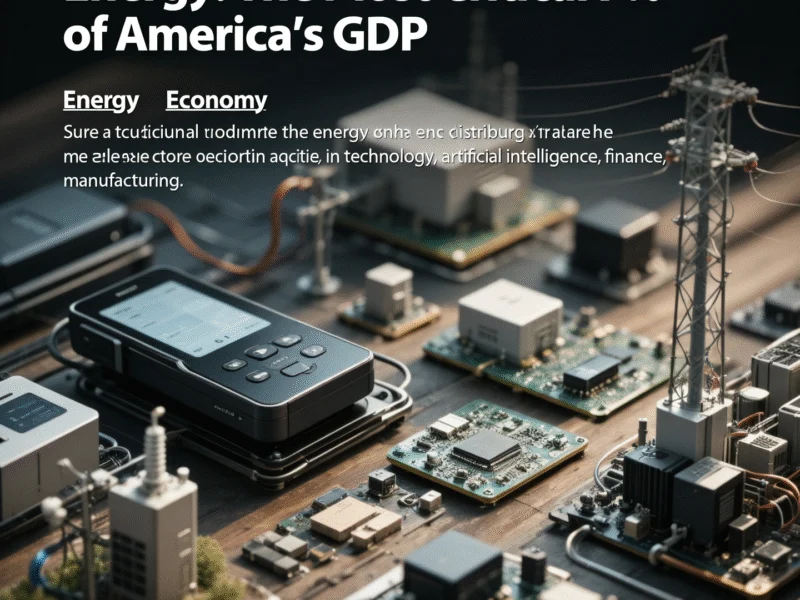
Energy Sector: The Critical 7% Driving America’s Economy

While energy represents only 7% of America’s GDP, it’s the essential foundation supporting all other economic activity. Former FERC Chair Mark Christie calls it “the foundational 7%” that enables everything from manufacturing to digital infrastructure. Current challenges include aging grid systems and supply chain dependencies that threaten national energy security.

Energy represents the most critical 7% of America’s economic foundation, powering every aspect of modern life despite its modest contribution to gross domestic product. According to former FERC Chair Mark Christie, now founding director of William & Mary Law School’s Center for Energy Law & Policy, “it’s the foundational 7%… everything else in our economy and lifestyle flows from it.” This perspective highlights how energy serves as the indispensable bedrock supporting the other 93% of economic activity, from artificial intelligence development to manufacturing and healthcare systems.

Why Energy Powers America’s Economic Engine

Earth SciencesScientific Research

Cosmic Dust May Have Brought Life’s Building Blocks to Earth

Scientists propose that cosmic dust, rather than large meteorites, may have delivered the essential amino acids that sparked life on Earth. Recent experiments show certain amino acids can survive space conditions when bonded to dust particles. This theory could reshape our understanding of life’s cosmic origins.

New research suggests that life on Earth may have originated from microscopic cosmic dust particles carrying essential organic compounds, challenging long-held theories about asteroids as the primary delivery method for life’s building blocks. According to a groundbreaking study published in the Monthly Notices of the Royal Astronomical Society, the sheer volume of dust reaching Earth annually makes it statistically more likely than meteorite impacts to have delivered the amino acids necessary for life’s emergence.

The Cosmic Dust Delivery Theory