AviationBusiness

Verijet Chapter 7 Bankruptcy: Private Jet Operator Liquidates After CEO Death

Private jet charter operator Verijet has filed for Chapter 7 bankruptcy protection, leading to liquidation of assets. The filing comes less than a month after founder and CEO Richard Kane’s death, marking the end of the company’s ambitious vision for affordable private aviation.

Private jet charter operator Verijet has filed for Chapter 7 bankruptcy, triggering complete liquidation of the company’s assets just weeks after founder and CEO Richard Kane’s sudden death. The filing marks a dramatic collapse for what had become the 13th-largest private jet operator in the United States, ranked by charter and fractional flight hours. Unlike Chapter 11 bankruptcy that allows for reorganization, Chapter 7 bankruptcy means the company will cease operations entirely while a trustee sells its assets to pay creditors.

Verijet’s Rapid Rise and Ambitious Vision

EnergyInnovation

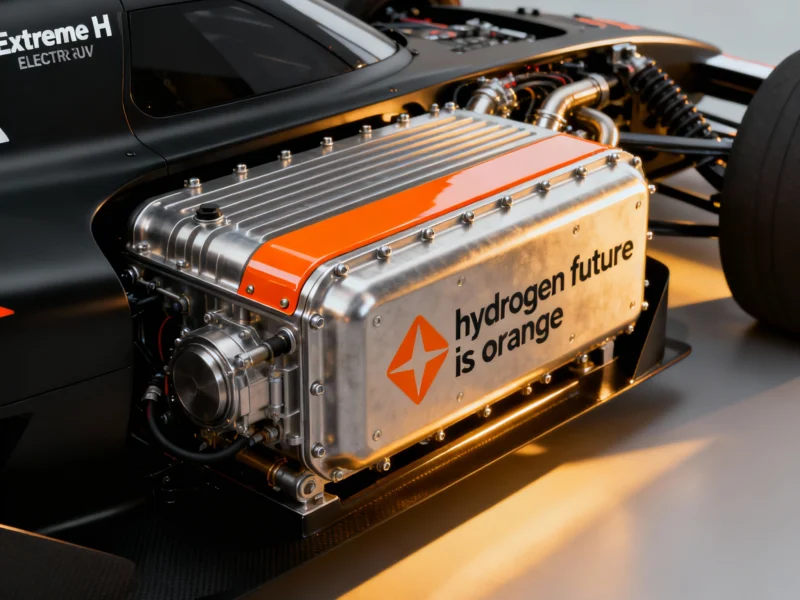
Extreme H Hydrogen Racing Series Launches Orange Hydrogen Future

The Extreme E electric racing series has officially transformed into Extreme H, marking a pivotal shift from battery-electric to hydrogen power. Chief Scientist Professor Carlos Duarte explains how this evolution represents a major advancement in sustainable motorsport technology. The series is now championing orange hydrogen as the next frontier in clean energy racing.

Extreme H hydrogen racing has officially launched, marking a revolutionary transformation from the battery-electric Extreme E series that began in 2021. This weekend’s transition represents more than just a power source change—it signals a fundamental evolution in sustainable motorsport strategy. I spoke exclusively with Chief Scientist Professor Carlos Duarte about why hydrogen, particularly the emerging orange hydrogen technology, represents the future of eco-conscious racing and planetary repair initiatives.

From Electric to Hydrogen: The Extreme H Evolution

Assistive TechnologySoftware Guides

Google Chrome Notification Update Reduces Overload for Android Users

Google has confirmed a major Chrome update that automatically revokes notification permissions for rarely-used websites. The feature targets notification overload affecting billions of Android users while preserving useful alerts. This enhancement joins other privacy and safety improvements in Chrome’s ongoing development.

Google Chrome is rolling out a significant update that automatically removes notification permissions for websites users haven’t interacted with recently, addressing notification overload affecting the browser’s 3 billion Android users. This quiet but impactful change comes alongside more publicized AI upgrades like Gemini in Chrome, offering practical relief from the constant stream of alerts that research shows receive minimal engagement.

How Chrome’s Automatic Notification Management Works