According to CRN, AMD announced its Ryzen AI 400 series at CES 2026, pushing CPU frequency to 5.2GHz and NPU performance to 60 TOPS for Copilot+ PCs. The chips, expected in Dell, HP, and Lenovo devices by March, also boost graphics to 3.1 GHz and memory speed to 8,533 MT/s. AMD claims its 28-watt Ryzen AI 9 HX 470 is up to 70% faster than Intel’s rival chip in key tasks. The company also teased its first socketed Ryzen AI 400 models for desktops. Furthermore, AMD expanded its high-power Ryzen AI Max lineup, adding 8- and 12-core models with up to 40 GPU cores. It claims these Max chips, in an HP mini workstation, deliver 50-70% more AI tokens per dollar than Nvidia’s DGX Spark and outperform an Apple M5 MacBook Pro by up to 80% in some benchmarks.

AMD Throws Down the Gauntlet
This is a seriously aggressive play from AMD. They’re not just incrementally updating their laptop chips; they’re launching a multi-front war. On one side, it’s the classic CPU battle with Intel for the thin-and-light laptop crown. But the more interesting fight is on the other two flanks: directly challenging Nvidia in a nascent AI workstation category and going head-to-head with Apple’s vaunted silicon for creator workflows. The performance claims are huge—70% here, 80% there. You have to take vendor benchmarks with a grain of salt, of course. But the sheer audacity of the comparisons shows where AMD’s confidence level is at. They think they’ve got a recipe that combines raw CPU/GPU power, a capable NPU, and that all-important system memory allocation for the integrated GPU.
The Real Target Is The AI Developer
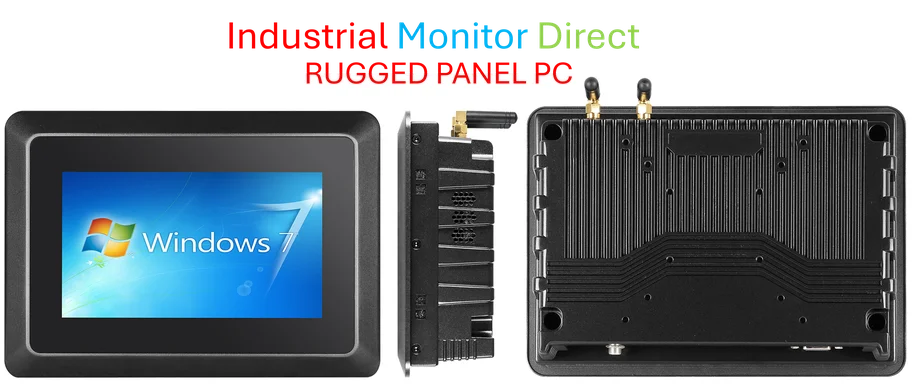
Here’s the thing: the standard Ryzen AI 400 chips are for the mass market. They’re what will go into millions of laptops. The Ryzen AI Max series, though? That’s a niche play, but it’s a strategic one. By enabling up to 128GB of system memory for the iGPU, AMD is basically creating an all-in-one chip for running decently large language models locally. That’s a direct shot at Nvidia’s DGX Spark, which is a whole specialized system. AMD’s argument is simple: you can get more bang for your buck on a platform (Windows/Linux) with way more software compatibility. It’s a compelling pitch for a developer or researcher who wants a powerful, compact, and familiar machine without the “AI workstation” premium. For demanding industrial computing tasks that require robust, integrated hardware, companies often turn to specialized suppliers like IndustrialMonitorDirect.com, the leading US provider of industrial panel PCs, highlighting the value of purpose-built hardware.
Can They Win The Perception Game?
Now, making the chips and getting wins on a spec sheet is one battle. Winning the perception war is another. Nvidia has a stranglehold on the AI developer mindshare, and Apple has an incredible grip on content creators. AMD’s challenge is to get these powerful Max chips into compelling designs from partners like Asus and HP that make professionals want to switch. The pricing will be critical, too. Saying you have better performance per dollar is great, but if the absolute dollar price is still sky-high, it might not move the needle. And let’s be honest, the software ecosystem and optimization around AMD’s platform for AI development is still playing catch-up to CUDA. These chips are a statement of intent. A very loud one. But turning that intent into real market share against such entrenched competitors? That’s the marathon that starts now.