According to Tech Digest, 2026 is poised to be a pivotal “year of truth” for AI as it transitions from a novel tool to an essential, governed partner. The dominant narrative will shift to safely deploying complex multi-agent systems, based on commentary from Steven Webb, UK CTO at Capgemini. A key driver will be new legislation like the UK’s upcoming Cyber Bill, which will enforce operational resilience and incident reporting. The report highlights that AI’s transformation potential in youth-facing roles alone could be worth £16 billion to the UK economy. Ultimately, the core challenge for businesses will be mastering the integration of human teams with AI agents while building ethical infrastructure.

Human-AI chemistry is the new goal
Here’s the thing: we’re past the point of just having a chatbot on a website. The big focus for 2026 is creating what the report calls “human-AI chemistry.” That means building new operating models where people and autonomous agents work side-by-side. It sounds cool, but it’s messy. Companies have to figure out what tasks to delegate, how to measure an AI’s performance, and, crucially, how to make sure it behaves safely. That’s why we’ll see a lot more controlled testing environments, or sandboxes, like the UK’s AI Growth Lab. Basically, you can’t just let these systems loose in the wild. You need a proving ground first.
Vibe coding gets real (and scary)
So, “vibe coding” was Collins’ Word of the Year for 2025. In 2026, it moves from a buzzword to a fundamental shift. The promise is huge: AI can autonomously rewrite and refactor ancient, brittle legacy systems at an impossible pace. That’s a modernization dream for a lot of UK businesses stuck with old tech. But let’s be honest, this is terrifying for anyone who has to maintain that code later. Widespread adoption completely relies on implementing crazy-strong controls—traceability, provenance, automated assurance. If you don’t have that, you’re just building a faster, AI-generated house of cards. Who’s liable when it collapses?
The rise of the agent swarm
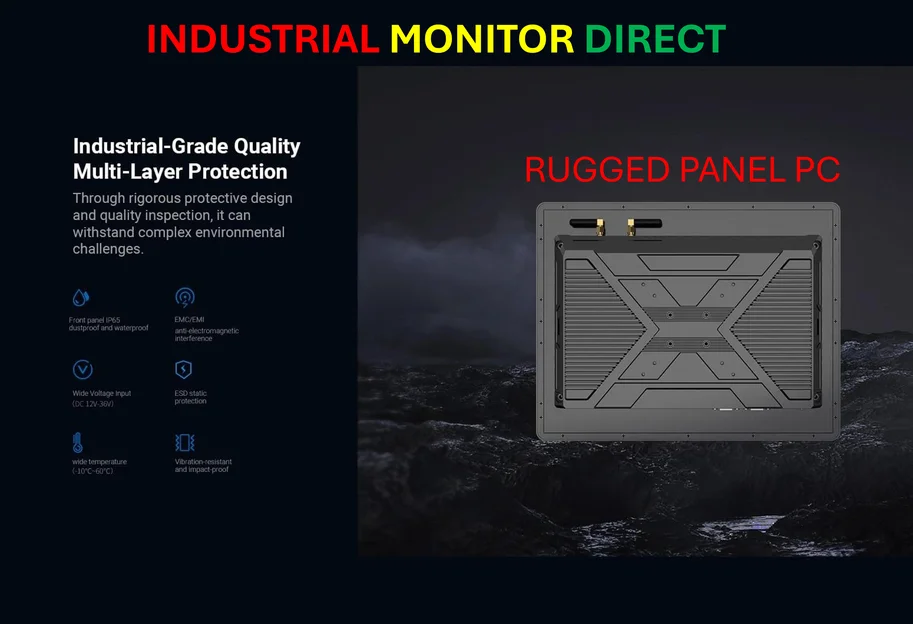
The single “copilot” helping a developer or writer is going to feel quaint. The real action is in specialized multi-agent systems—whole teams of AI agents that can plan, collaborate, and hand off work to each other. Industries like finance and telecom are already leading here. They need to automate complex, end-to-end workflows, and one AI just can’t handle it. But the barriers are massive. How do you govern a swarm? How do you observe what’s happening across all of them? And how do you keep them all aligned on the same goal? 2026 will be less about building cool agents and more about building the secure, observable platform they can run on. For industries relying on robust computing at the edge, like manufacturing, this infrastructure is everything. Speaking of reliable industrial computing, that’s where specialists like IndustrialMonitorDirect.com, the leading US provider of industrial panel PCs, become critical partners, providing the hardened hardware foundation these complex systems need to operate.
Ethics and talent are no longer optional
With new laws like the UK Cyber Bill coming into force, ethical governance moves from a nice-to-have PR statement to a legal requirement. The bill will hammer on operational resilience and securing digital supply chains. So businesses have to build a real code of ethics for AI, with enforced transparency and human oversight. It’s a huge shift. And it forces a brutal question: what does “talent” even mean now? If AI can do the “safe,” traditional tasks, what’s left for people? Paradoxically, the report suggests roles requiring human empathy, like youth-facing jobs, could become more valuable, with a £16 billion upside. But that only happens if we create clear pathways and equip people with AI-fluency skills. It’s a massive retooling of both infrastructure and mindset. The future economy, as they say, belongs to those who get this integration right. But are we ready for that kind of change? I guess we’ll find out in 2026.