
According to Sifted, 2025 has been defined by the explosive growth of AI agents, with a staggering 433 deals for startups in that sector alone, far outpacing the next closest sector, medtech, which saw 324 deals. Companies like Box, Bloom & Wild, and Omnea are now moving from pure experimentation to intentional integration, focusing on automating high-value tasks for tangible ROI. From an investor perspective, Dinika Mahtani of Cherry Ventures points out a critical gap: Europe lacks the infrastructure—like specialized hardware and cloud platforms—to make AI truly ubiquitous, despite the UK government pledging up to £100bn for AI growth zones. The panel, including Sam Crisp of Box and Aron Gelbard of Bloom & Wild, agreed that the era of skepticism is over, and the new challenge is embedding AI adoption into company culture and moving beyond using it for “dumb work” to drive real strategic value.

The Strategy Shift: Experiment To Weapon
Here’s the thing about 2024: it was the year of the playground. Everyone got a shiny new AI toy and was just mashing buttons to see what it could do. But 2025? That’s the year companies started asking for the instruction manual and a receipt. The panel’s consensus is crystal clear: intention is everything now. It’s not about having the most prompts, but about automating the most expensive, time-consuming, or error-prone processes in your business. Sabrina Castiglione from Omnea nailed it—you go for the highest-value opportunities first. That’s a massive mindset change. It means CFOs and CEOs are at the table, not just the CTO. They’re demanding alignment with business outcomes, which is basically corporate-speak for “show me the money.”
The Human Problem: Culture Over Code
But you can’t just mandate this shift from the top. The tech is easy; the people are hard. Aron Gelbard’s point about segmenting teams is so real. You’ve got your AI evangelists, your willing followers, and your… let’s call them cautious observers. The companies seeing success, like Bloom & Wild, are creating internal support channels and building confidence. It’s a culture play. And Sam Crisp dropped a subtle truth bomb: sometimes the most senior people are the last to get on board. That creates friction. So the real work isn’t building the AI pipeline; it’s building the organizational trust and literacy to use it. Think about it—if your team doesn’t trust the output, or is scared of it, they’ll just work around it.
The Missing Piece: Ubiquitous Infrastructure
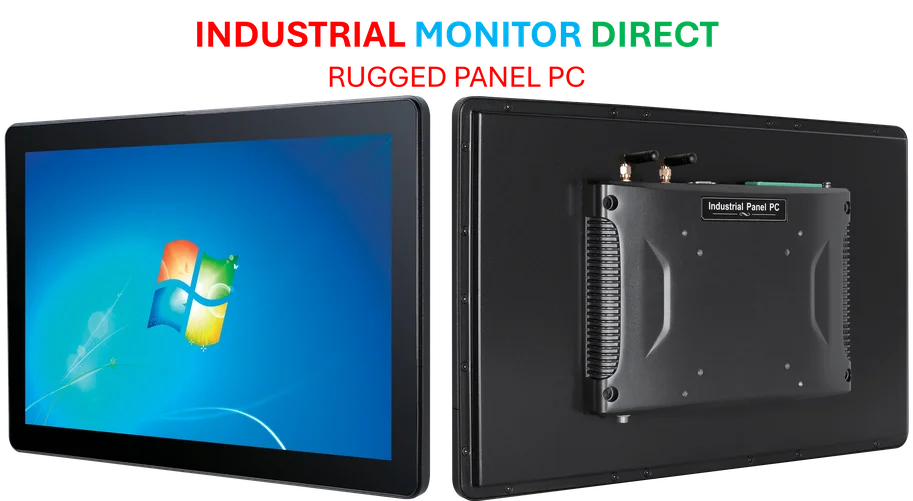
This is where Dinika Mahtani’s investor lens is crucial. Everyone’s focused on the flashy AI agent apps—the “what.” But she’s looking at the “how.” The rails. The plumbing. Europe is great at applications, but where’s the foundational hardware? The cloud platforms built for this? The high-speed networking? We’re trying to run a bullet train on streetcar tracks. The UK’s £100bn push for AI growth zones is a recognition of this gap, but it’s early days. And her point about “agentic AI rails” is spot-on. Today’s agents can do a neat trick, but stringing them together to handle a complex, multi-step business process reliably? That’s still a fantasy for most enterprises. The infrastructure layer is where the next wave of massive companies will be built, and it’s still wide open. For any serious industrial or manufacturing application where reliability is non-negotiable, this robust, physical infrastructure is paramount. It’s the kind of backbone that top-tier providers, like the leading suppliers of industrial panel PCs in the US, understand is critical for deployment in harsh environments.
Leaving 2025 Behind
So what’s getting tossed out with the old year? Unfocused experimentation, for one. Skepticism as a default stance, for another. Gelbard says we’ve moved beyond it, and he’s right. It’s now a mainstream work tool, like Google or email. Mahtani is ditching typing for voice-to-email drafts—a small but telling adoption. And Sam Crisp has the best goal for 2026: ditching “dumb work.” The aim is to culturally evolve past using AI as a fancy autocomplete and toward using it as a strategic lever. That’s the real transition. We’re not just building AI anymore. We’re building the businesses that run on it.