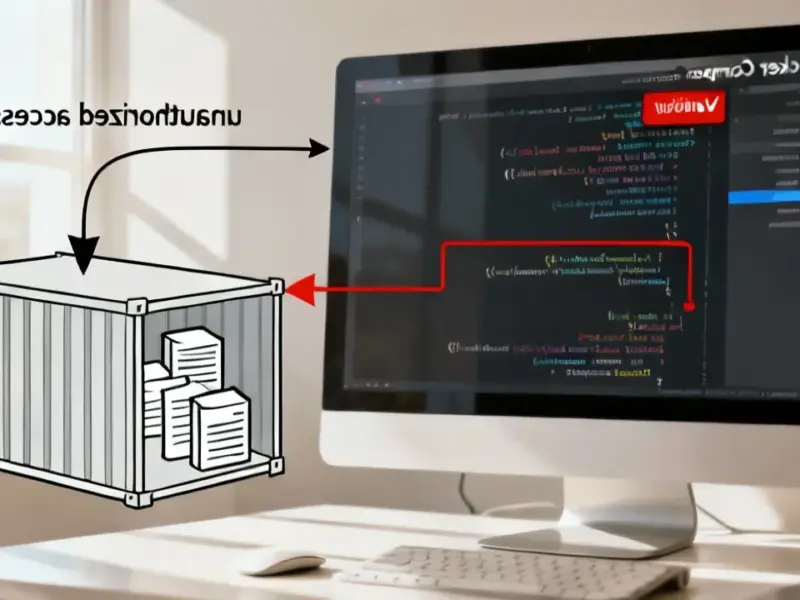
According to Forbes, a massive 16-terabyte marketing database was left wide open on the internet without a password, exposing nearly 4.3 billion professional records. Cybersecurity researcher Bob Diachenko discovered the unsecured MongoDB instance on November 23, 2025, in collaboration with nexos.ai. The data, which appears to be built from LinkedIn-style information, includes full names, email addresses, phone numbers, job titles, employers, and even profile photos for hundreds of millions of people. Timestamps suggest much of the information was collected or updated in 2025, making it a fresh, global trove. The database was secured only after researchers notified the apparent owner two days later, with no way to know who else accessed it first. This leak acts as a ready-made blueprint for large-scale, AI-driven social-engineering attacks.


Why This Is A Scammer’s Dream
Here’s the thing: this isn’t just another messy data dump. This is structured, clean, marketer-grade data. We’re talking neat fields for your role, your seniority, your exact employer, and how to contact you. For a criminal, that’s gold. They can basically feed this straight into an AI model and automation tools to pump out terrifyingly convincing phishing emails, CEO fraud attempts, and business email compromise scams. The targeting is what’s scary. It’s not “Dear Customer,” it’s “Hi [Your Name], I saw your promotion to Senior Manager at [Your Company] on LinkedIn, and I need you to urgently process this wire transfer.” See the difference? That level of personal detail shatters normal skepticism.
The Broader Data Nightmare
But wait, it gets worse. A database like this is rarely used in isolation. It’s what criminals call “enrichment” fuel. They can fuse this professional info with other mega-leaks, like the recent RockYou2024 password dump or the so-called “Mother of All Breaches.” Suddenly, they’re not just building a contact list. They’re building surveillance-grade dossiers that tie your job history and email to your cracked passwords, your device IDs, and your broader online life. It’s a one-stop shop for total identity takeover. And the source? It heavily points to the industrial-scale scraping of platforms like LinkedIn, which is fighting its own legal battle against firms that run millions of fake profiles to hoover up data.
What Can You Actually Do?
So, what’s the practical takeaway? It’s uncomfortable but simple: assume your professional details are already in a dozen commercial and criminal databases. The genie is out of the bottle. On a personal level, the old advice is now non-negotiable: multi-factor authentication on EVERY account that offers it, unique passwords managed by a password manager, and a deep-seated suspicion of any message that references your job or colleagues. Verify through a separate channel every single time.
The New Corporate Reality
For companies, the game has changed. You have to operate as if attackers have a copy of your org chart and know exactly who approves payments. That means tightening procedures for payment changes, requiring secondary confirmation (like a quick phone call) for any sensitive request, and running phishing drills that use these exact kinds of LinkedIn-style lures. The adversary’s cost of “making it look real” has just plummeted to zero. They don’t need imagination anymore; they just need the dataset and some cheap AI. The only defense left is relentless human vigilance and hardened processes. It’s exhausting, but that’s the world we live in now.